
Bedouin clothes show how deeply the desert shapes daily life and culture. Men wear thobes and keffiyehs, and women wear tobs and jewelry. These garments protect against harsh climates and reflect cultural identity.
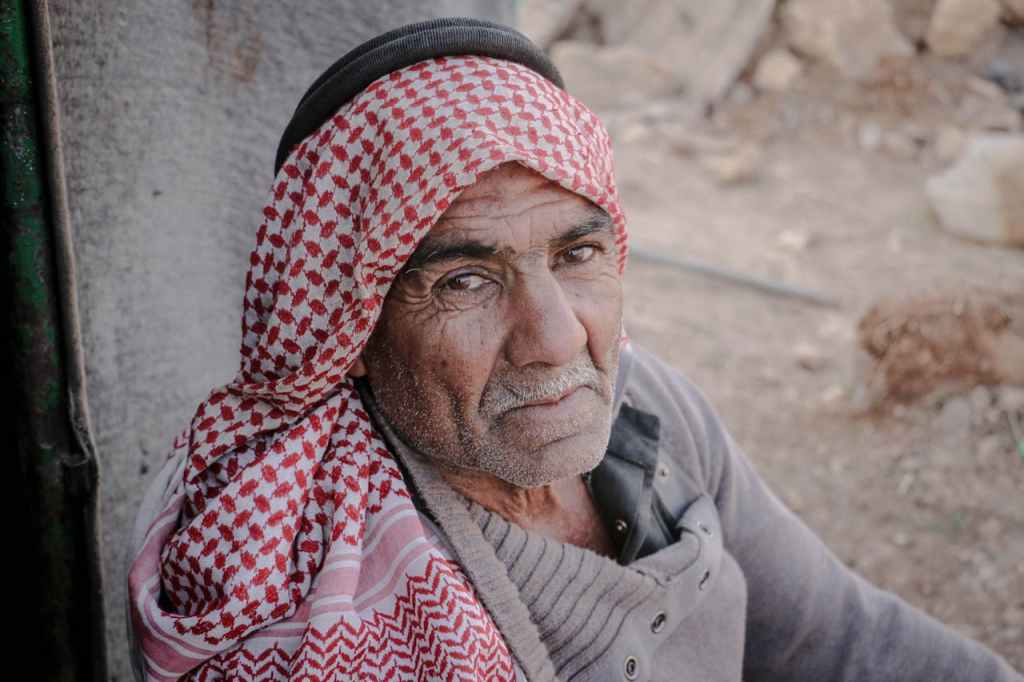
This article explores their practicality and cultural significance across different regions of the Middle East, including Jordan.
Key Takeaways
- Bedouin clothing is designed for extreme desert conditions, providing comfort and cultural expression through practical and adaptive garments.
- Traditional attire for both Bedouin men and women is rich in cultural significance, with elements like the thobe, tob, and keffiyeh reflecting identity and heritage.
- While modern influences are present, traditional Bedouin clothing remains a staple, showcasing the community’s resilience in preserving their cultural heritage.
- Visit Bedouin communities in Wadi Rum to gain deeper insights and buy authentic Bedouin clothes. Book your trip with Wadi Tribe for an ethical experience.
Learn About Bedouin Culture
Visit the Bedouins of Wadi Rum.
Book with us and enjoy a worry-free all-inclusive experience at the best rates.
- Key Takeaways
- Visit the Bedouins of Wadi Rum.
- Understanding Bedouin Clothing
- Traditional Garments for Bedouin Men
- The Role of Headgear in Bedouin Culture
- Traditional Attire for Bedouin Women
- Bedouin Clothing in Modern Times
- Where to Buy Authentic Bedouin Clothing
- Summary
- Frequently Asked Questions
Understanding Bedouin Clothing

Bedouin clothing is a masterclass in the art of adaptation. Designed to provide insulation against the extreme heat, these garments help maintain a comfortable body temperature even in the harshest conditions.
The loose-fitting nature of Bedouin clothes allows for air circulation, which is crucial for cooling the body in high temperatures. Layering fabrics offers both warmth during cold desert nights and protection from the sun’s heat during the day.
White is a common color in Bedouin clothing, reflecting sunlight and keeping the wearer cooler than darker colors would. Nevertheless, other colours such as brown, grey and black are also worn from time to time.
Beyond practicality, these garments are a vital expression of cultural identity and heritage. Traditional Bedouin clothing represents a balance of comfort, protection, and cultural significance, making it an essential aspect of life in the desert.
Traditional Garments for Bedouin Men

Travelling in the Middle East, you will become familiar with the thobe, as it is not only worn be Bedouins, but by most Arab men across the Arabian peninsula.
Note, however, that the those is not always referred to by the same name. Other common names for the those are kandurah and dishdashah .
Above all, the thobe, a long white garment often made of cotton, silk, or wool, is the traditional attire for Bedouin men. It is both simple and functional. This versatile piece can feature large triangular sleeves and is sometimes accompanied by a sleeveless coat or aba for extra warmth and protection.
Underneath the thobe, men wear a sarong or sirwal, depending on regional traditions. The keffiyeh, an essential part of their outfit, is worn on the head. The keffiyeh symbolizes Bedouin identity.
These garments are practical and carry deep cultural significance, reflecting the Bedouin’s connection to their heritage and environment.
Thobes and Serwals
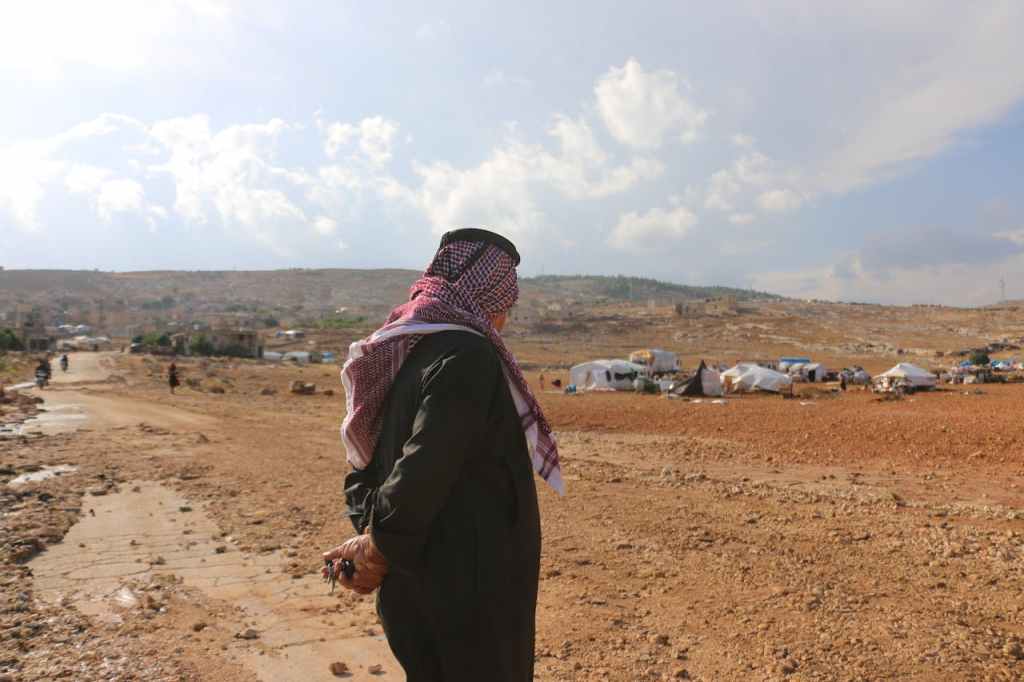
The thobe, a long white robe reaching the ankles, is a staple in Bedouin men’s attire. Depending on the season, the thobe can be made from materials like cotton for warmth or silk for ceremonies.
The sleeves of the thobe are not just for comfort; they serve practical purposes such as carrying items or signalling social status.
Beneath the thobe, Bedouin men wear serwals, loose-fitting trousers providing comfort and ease of movement. These garments are an essential part of the traditional Bedouin wardrobe, combining functionality with cultural expression.
The thobe and serwal together create an outfit that is both practical for the desert environment and rich in cultural heritage. Up until today, Bedouin clothes are commonly worn in Bedouin communities with Western style clothing having relatively little influence.
The Role of Headgear in Bedouin Culture
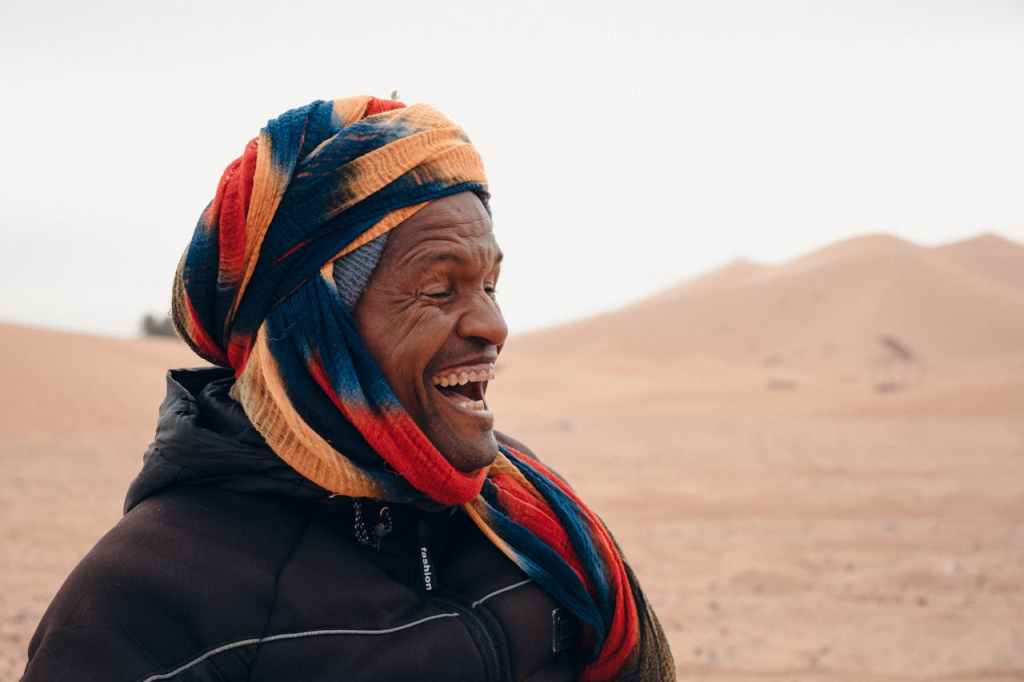
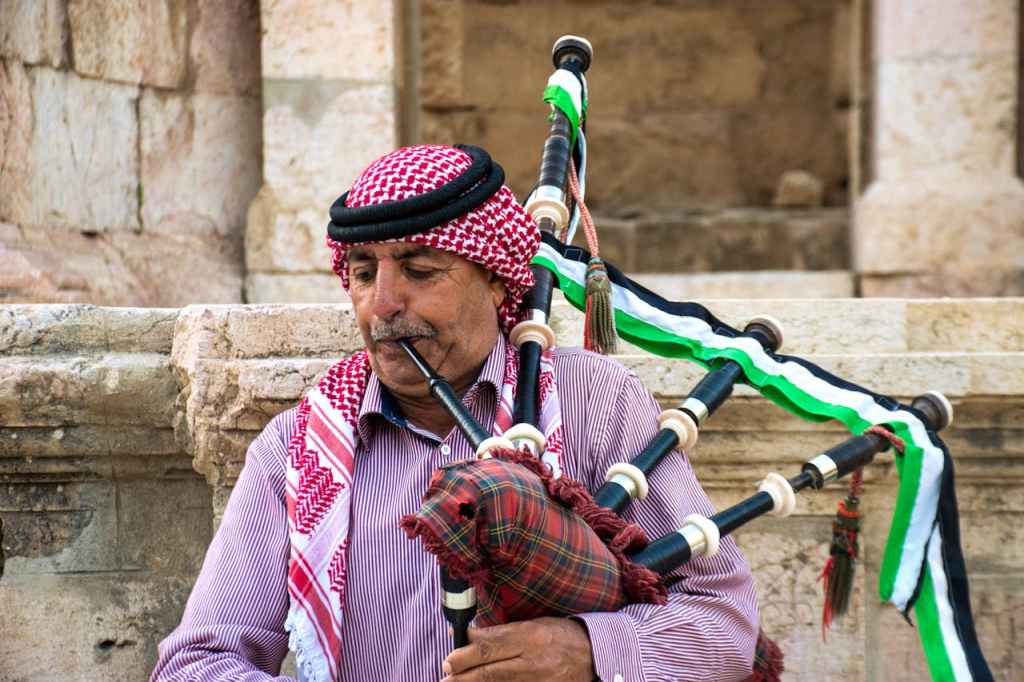
Headdresses like turbans and scarves shield the face from wind and sand while regulating body temperature. Likewise, the Bedouin headgear, the keffiyeh, offers protection from the harsh desert environment. Most commonly, keffiyehs are black-white and red-white.
Moreover, the keffiyeh can be accompanied by yet another accessory. The agal, a black cord, secures the keffiyeh or ghutrah, ensuring it stays put even during sandstorms. The usage of agals is more common for festive purposes.
These head coverings are practical and deeply symbolic. They reflect cultural traditions and social status, with variations indicating different regional identities and affiliations among Bedouins. Chances are you will never encounter a Bedouin man without his keffiyeh.
Keffiyeh: The Iconic Headwear
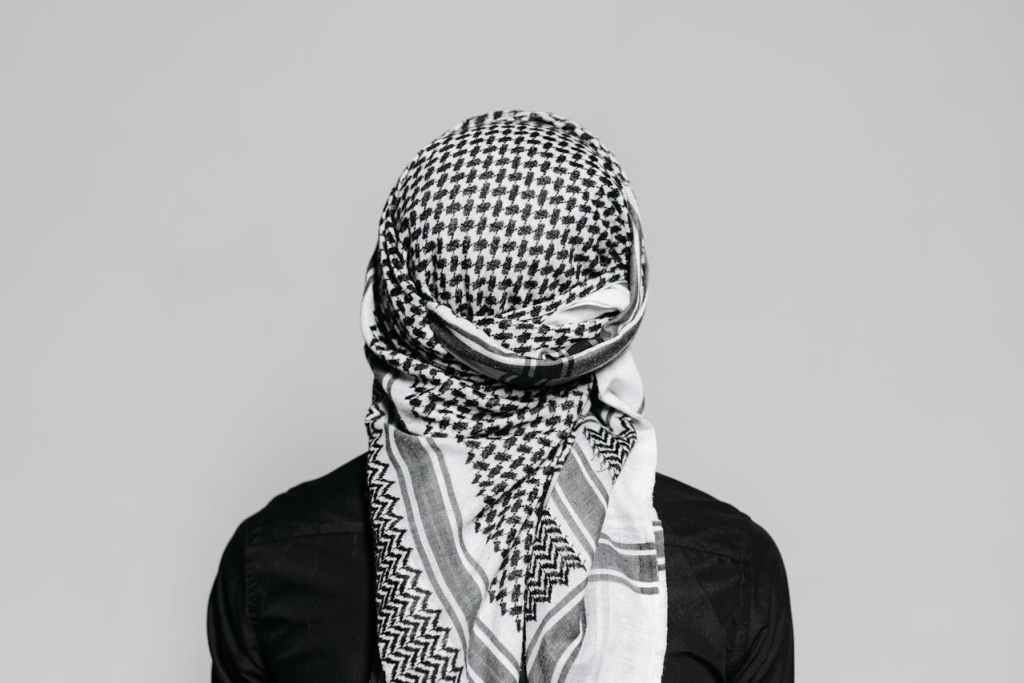
The keffiyeh, or ghutrah, is an iconic headscarf typically worn folded into a triangle and secured with an igal. In Jordan, the keffiyeh is often red and white, while in southern Palestine, it is black and white.
These colors and patterns carry deep cultural significance. Depending on the location, the colour of the keffiyeh can indicate a man’s belonging to a specific Bedouin tribe.
For Palestinians, the keffiyeh symbolises resistance and national identity, representing their struggle and resilience. Amidst its struggles against the Israeli occupation in the West Bank and Gaza, the keffiyeh has long since become an international symbol of Palestinian resistance.
The headscarf is a powerful emblem of cultural heritage and social status. Whether protecting from the sun or symbolizing solidarity, the keffiyeh remains a vital part of Bedouin culture.
Traditional Attire for Bedouin Women
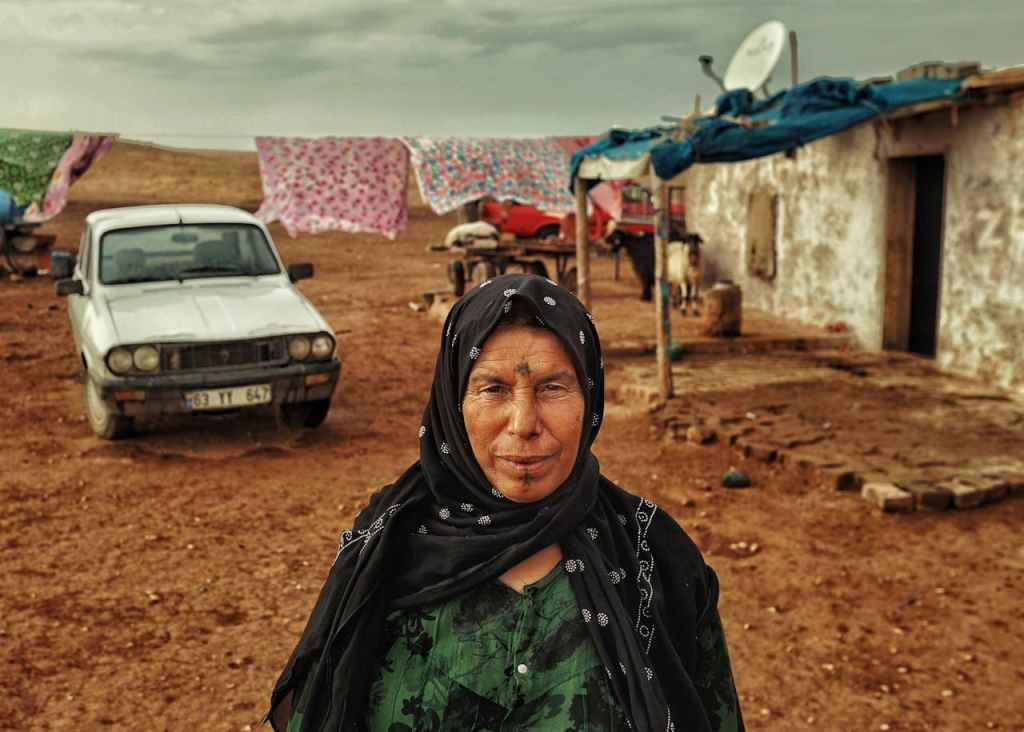
Bedouin women’s traditional attire is both functional and expressive. The primary garment for Bedouin women is the tob, or thobe, often in dark blue or black with decorative bands and embroidery. These tobs are canvases reflecting the wearer’s cultural identity and personal style.
Embroidery makes each Bedouin woman’s dress unique. This intricate needlework carries cultural meanings, signifying the wearer’s heritage and status.
Tob (Thobe) and Embroidery
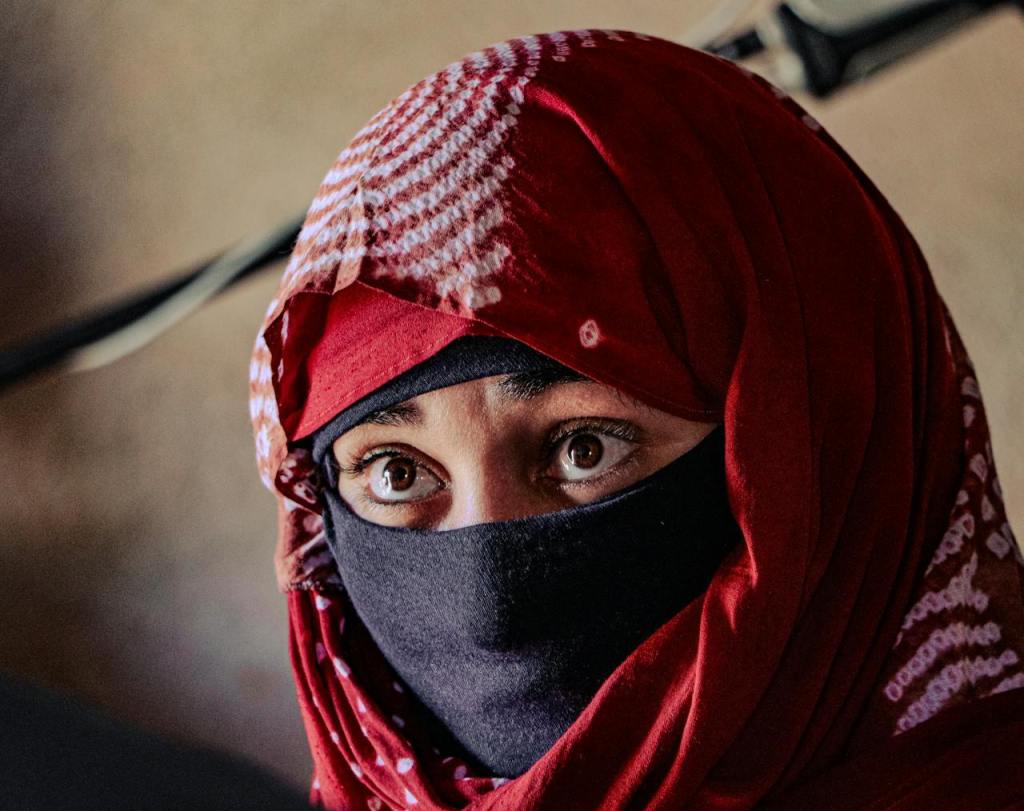
The tob is a key piece in Bedouin women’s clothing, offering both functionality and cultural expression. In regions like Jericho, the tob can be more than twice the person’s length, creating practical and visually striking layered styles. The tob often features patterns and colors signifying the wearer’s family and social status.
This cultural dress is additionally merged with religious attire, namely the hijab, the headwear of Muslim women. According to Muslim tradition, Bedouin women usually have their hair covered in public, mostly by a hijab, a colourful cloth.
Hijabs are adorned with decorative elements, reflecting personal style and local customs. In some Bedouin communities, the color of a woman’s hijab can denote her marital status, adding another layer of significance to the dress of married women.
In some cases, a Bedouin woman might also opt for more conservative clothing choices such as the Burka, a predominantly black Muslim dress covering the woman’s skin and most of her face.
Embroidery on the tob reflects the wearer’s identity. The intricate designs often tell stories of heritage, community, and personal achievements. This craftsmanship showcases the skill and creativity of Bedouin women, making it a vital part of their culture.
Jewelry and Accessories
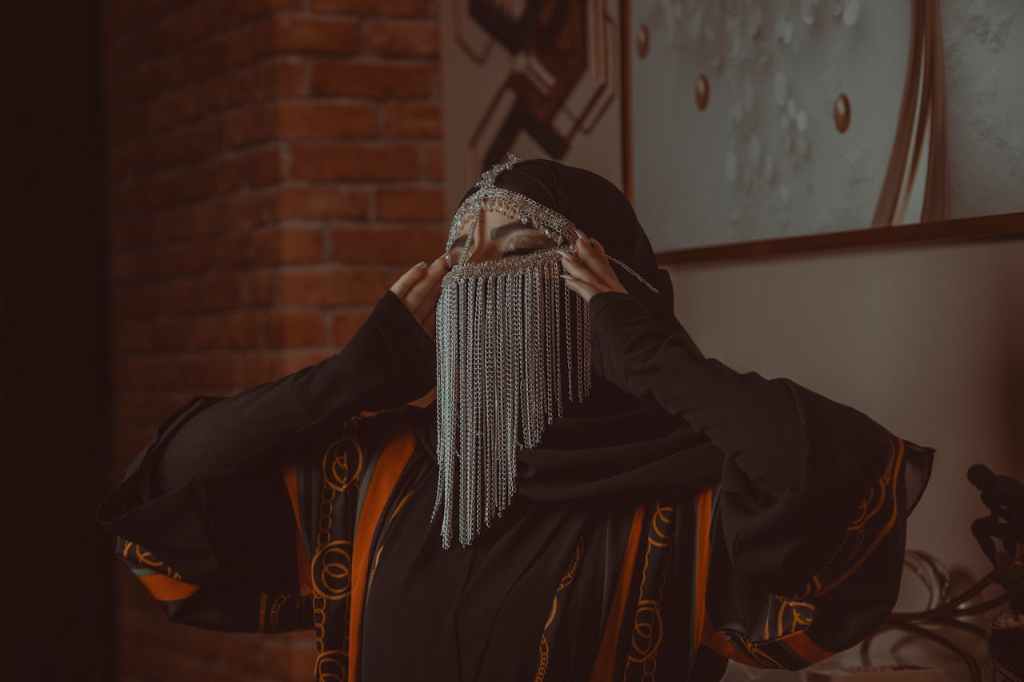
Jewelry and accessories are integral to Bedouin women’s attire, adding layers of beauty and meaning. Necklaces, earrings, bracelets, and rings, often adorned with stones like turquoise and coral, are not merely decorative but reflect the wearer’s personal and cultural identity. These pieces are intricately designed, showcasing the artistry and craftsmanship that Bedouin women are known for.
Jewelry often holds symbolic significance, with certain designs indicating marital status or tribal affiliation. For instance, married women might wear specific types of jewelry that signify their status within the community.
Jewelry and accessories are powerful symbols of identity and tradition, making them essential elements of Bedouin women’s traditional clothing. Moreover, these accessories also serve as a form of wealth and security, passed down through generations as family heirlooms.
Bedouin Clothing in Modern Times
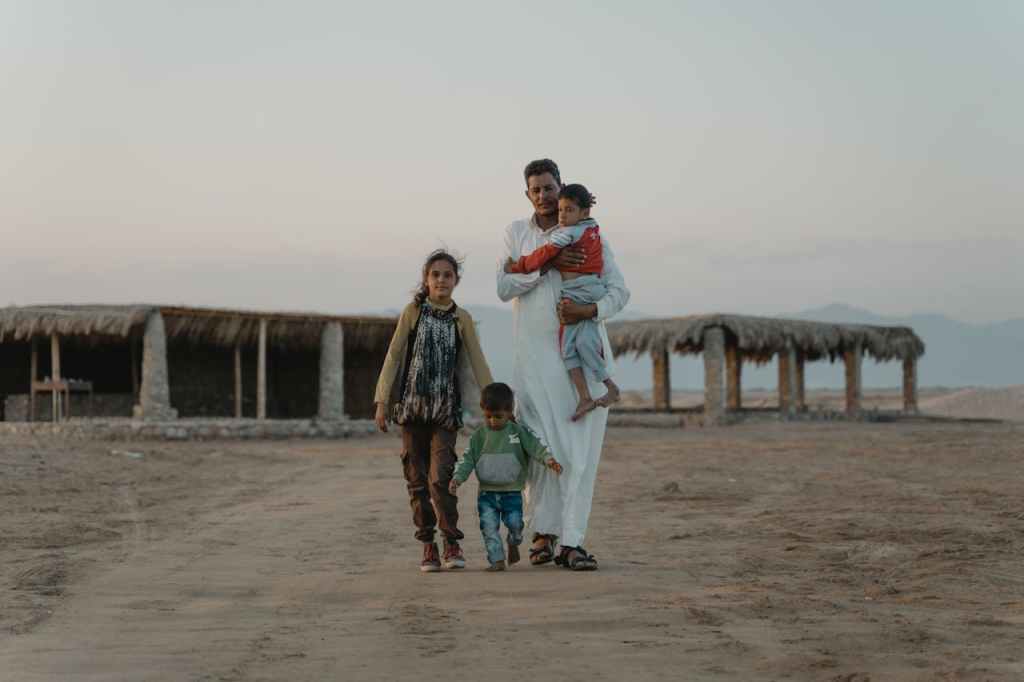
Despite modern influences, Bedouins still favour traditional wear, with little change over time. Visiting Bedouin communities across the Middle East, you will notice Bedouin men and women wearing their traditional garments with pride.
Kids, however, have recently started to form an exception within Beoduin communities leading a more settled life. In Wadi Rum Village, for example, more and more kids dress in Western style clothing such as t-shirts and jeans, only transitioning to traditional clothing later on in life.
Additionally, some Bedouin men have started alternating between Western style clothing and traditional Bedouin clothing as they navigate between modern city life for work and desert life privately.
This blend of old and new highlights Bedouin culture’s resilience. While adapting to modern influences, they stay deeply connected to their heritage. The persistence of traditional clothing amidst modern styles testifies to the enduring cultural significance of Bedouin attire.
Where to Buy Authentic Bedouin Clothing
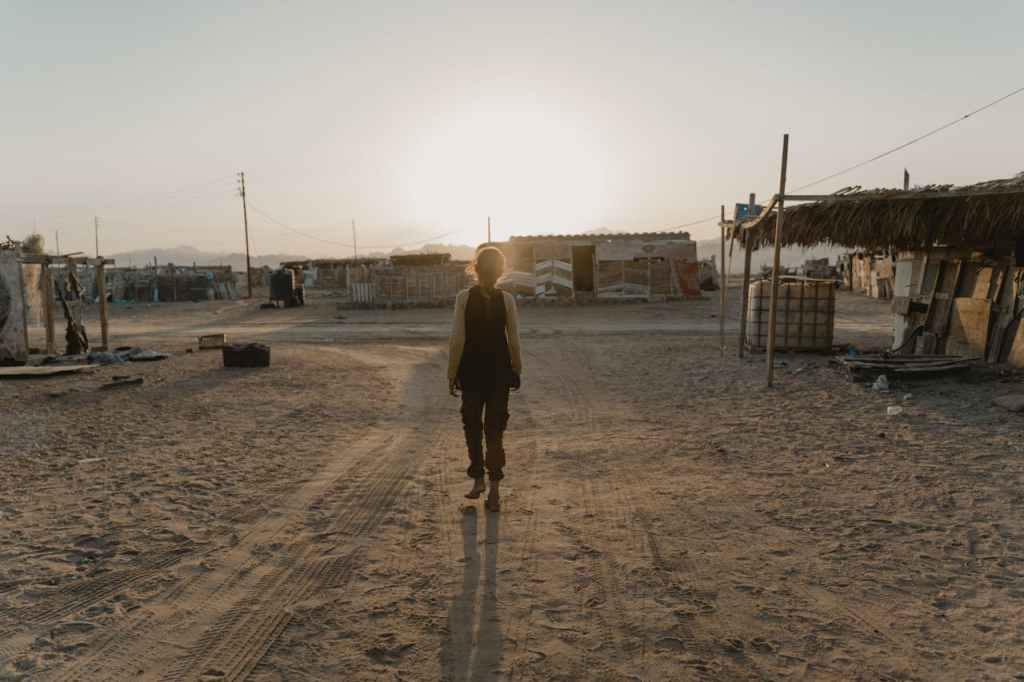
Many places offer authentic Bedouin clothing for those interested in purchasing these unique pieces. We recommend visiting Bedouin communities to not only buy their clothing, but also learn more in-depth about its usage and significance.
In Wadi Rum, you can buy a keffiyeh and a thobe in Wadi Rum Village or at Bedouin shops in the desert. These locations offer a range of traditional garments at local prices, ensuring you find pieces that are both authentic and culturally significant.
Ask your Bedouin guide to take you to a shop for some Bedouin shopping to ensure you find what you are looking for. If you haven’t got a Bedouin guide for your venture to Wadi Rum yet, we recommend getting in touch with one through Wadi Tribe.
Wadi Tribe offers ethical tourism packages for visits to the Wadi Rum Desert. The tourism initiative collaborates with local Bedouin guides of the Al-Zalabiah family, offer cultural exchange and authentic desert experiences.
Summary
In summary, Bedouin clothing is a remarkable blend of practicality, cultural expression, and historical significance. From the functional design of the thobe and serwal to the symbolic embroidery on women’s tobs, each garment tells a story of resilience and heritage.
The iconic keffiyeh, with its variations and cultural meanings, adds another layer of depth to Bedouin attire. Recently, it has also become a symbol of resistance against Zionism across the region.
The enduring nature of traditional Bedouin clothing in modern times highlights the strength and vitality of Bedouin culture. These garments are not just a means of covering the body but are powerful symbols of identity and tradition.
Recently, Bedouin clothes have started to gain increased attention internationally, being adapted by fashion designer on various occasions. Whether you are a fashion enthusiast or a cultural explorer, Bedouin clothing offers a fascinating glimpse into the timeless style of the desert.
Frequently Asked Questions
What is the main purpose of Bedouin clothing?
Bedouin clothing primarily serves to offer comfort and protection from the harsh desert climate, while also showcasing their cultural identity. It’s a practical and meaningful aspect of their life in the desert.
What is a thobe, and who wears it?
A thobe is a long, typically white robe worn by men, especially in Bedouin culture. It’s made from different materials to suit the climate, making it both functional and traditional.
How does the keffiyeh differ between regions?
The keffiyeh differs by region primarily in color and pattern—red and white is common in Jordan, while black and white is traditionally seen in Palestine. Each variation reflects the unique cultural identity of its region.
What role does embroidery play in Bedouin women’s clothing?
Embroidery plays a crucial role in Bedouin women’s clothing by showcasing cultural heritage and social status through intricate designs on their traditional dresses. It’s more than just decoration; it’s a way for women to express their identity and community.
Where can I buy authentic Bedouin clothing?
You can find authentic Bedouin clothing in local shops in places like Wadi Rum, where they sell keffiyehs and other traditional garments. It’s a great way to bring home a piece of their culture!

 waditribe.com