
Wondering when the best time to visit Wadi Rum is? We got you.
For mild weather and ideal conditions for outdoor activities, plan your trip between October and April. This period offers comfortable temperatures and clear skies, perfect for exploring the stunning desert landscape.

For more detailed insights on each season and useful tips for your Wadi Rum trip, read on.
Key Takeaways
- Wadi Rum experiences extreme temperature variations and has distinct seasons, making it important to choose the right time to visit for optimal outdoor activities.
- The high season from October to April is ideal for mild weather, occasional rainy days and outdoor adventures with most tourists arriving in these months.
- The low season from May to September offers solitude with less tourists and budget-friendly options despite extreme heat and no rain.
- Book your Wadi Rum trip with Wadi Tribe to explore the desert without a worry.
Avoid High Prics in Summer.
Book Your Stay in Wadi Rum at the Best Rates.
Explore Wadi Rum on a Jeep Tour and sleep under the stars in a traditional Bedouin camp – with Wadi Tribe.
- Key Takeaways
- Book Your Stay in Wadi Rum at the Best Rates.
- Understanding Wadi Rum’s Climate
- High Season (October-April) – When Most Tourists Travel
- Low Season (May-September) – When the Prices are Lower
- Wadi Rum Through the Seasons – The Best Season to Visit Wadi Rum
- What to Pack for Your Wadi Rum Trip
- Best Activities by Season
- Accommodation Options in Wadi Rum
- Summary
- Frequently Asked Questions
Understanding Wadi Rum’s Climate
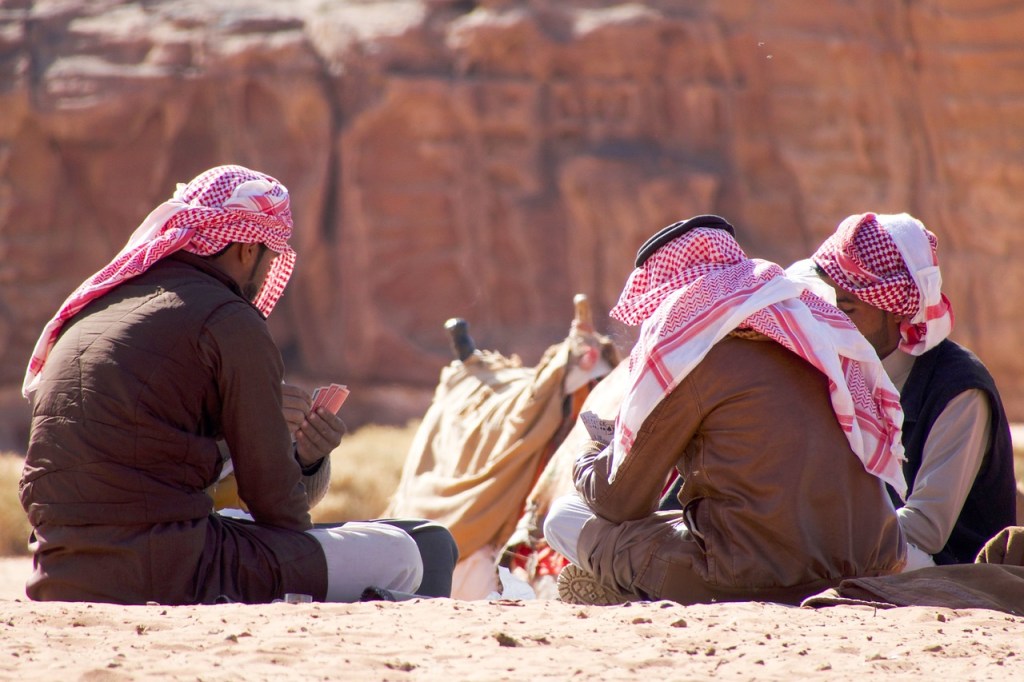
Wadi Rum’s climate is characterised by a subtropical pattern, offering distinct seasons that make quite a difference in your travel experience. From scorching summer days to chilly winter nights, understanding the seasonal shifts in Southern Jordan is crucial for planning your visit.
The desert experiences extreme temperature variations; summer temperatures can soar to a blistering 46°C, while winter nights may drop to a freezing -3°C. Such dramatic swings mean that your experience in Wadi Rum depends heavily on the time of year you choose to visit, as the Wadi Rum weather conditions play a significant role.
You might imagine Wadi Rum being a hot and arid desert and while that is true, you’d be surprised to hear that the Wadi Rum weather ranges from heat and weeks without rainfall to freezing nights, seasonal floodings and occasional snow.
For most of the summer months, Wadi Rum is as hot and dry as it gets. In fact, recently Wadi Rum has been getting hotter by the year. The summer of 2024 was ranked by scientists as the hottest summer ever recorded in Jordan. And trust me when I say this. In Wadi Rum, far from modern A/C technology, you will feel the heat.
Rainfall in Wadi Rum is rare but transformative. With an average of only 15 rainy days a year, the desert landscape undergoes stunning visual changes when it does rain. These occasional rain showers in the winter months bring a burst of color to the arid terrain, making grass, small shrubs and flowers bloom. After all, Wadi Rum owes its name to its seasonal flow of water.
Wanna learn more about the weather in Wadi Rum? Check out our extensive Wadi Rum Weather guide for additional insight.
High Season (October-April) – When Most Tourists Travel

The high season in Wadi Rum, spanning from October to April, is when most travelers flock to this spectacular desert. This period is marked by mild weather, with daytime temperatures ranging from a comfortable 20°C to 25°C, making it the best time to visit for outdoor exploration.
While you will encounter good conditions all around high season, the best time to visit Wadi Rum during high season are October-November and March-April. In Dezember, January and February you run a higher risk of catching the few rainy days of Wadi Rum. On the bright side, you might witness camels and snow all in one landscape.
Clear skies and occasional rainfall during these months enhance the experience, providing perfect conditions for activities like hiking, rock climbing, camel rides, and jeep tours. However, the popularity of this peak season means that large crowds are inevitable during the summer months.
If you plan to visit during these months, securing your lodging ahead of time is crucial to avoid fully booked accommodations. We recommend booking your hotel and tours in Wadi Rum altogether to avoid surge in cost when booking last-minute.
Though the influx of tourists can lead to crowded spots, especially around the more popular sights in the Wadi Rum desert, the pleasant weather and optimal conditions for outdoor activities make it worthwhile.
Exploring Wadi Rum in the high season allows you to enjoy the desert in its most inviting form. Whether you are marveling at the sunset over the red dunes or stargazing under the clear night sky, the high season offers an ideal window to experience the magic of Wadi Rum at its finest.
Haven’t secured your booking yet? Reach out to Wadi Tribe and save on an all-inclusive Jeep Tour incl. Camping & Hikes.
Low Season (May-September) – When the Prices are Lower
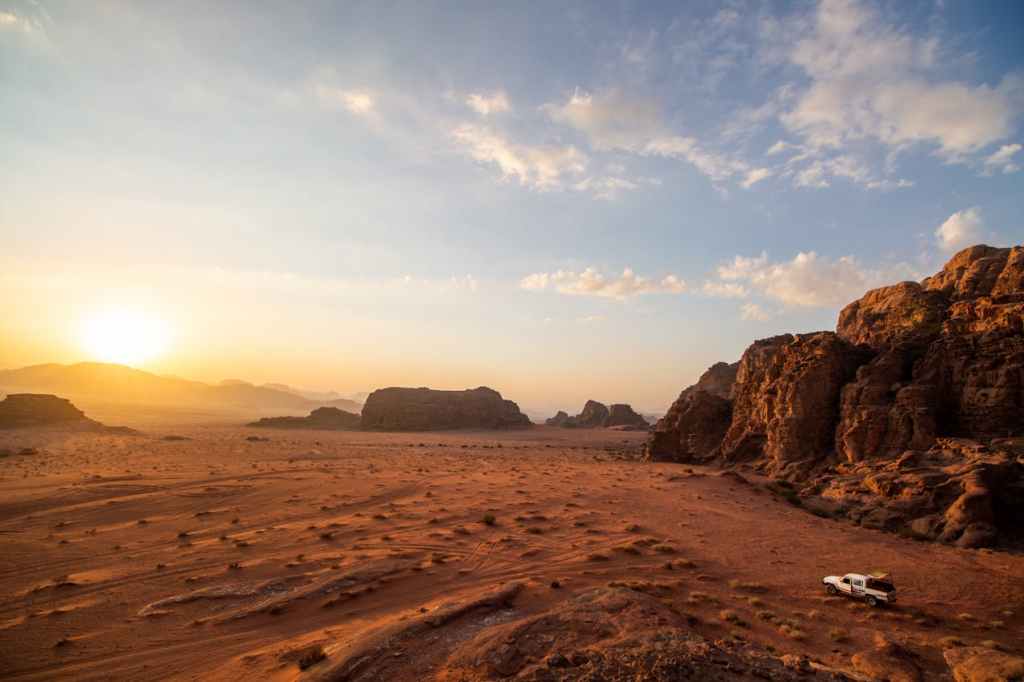
The low season in Wadi Rum, from May to September, is characterized by intense summer heat, with daytime temperatures often exceeding 40°C. This period is not for the faint-hearted, as the scorching sun and high temperatures can be challenging for outdoor activities.
However, for those seeking solitude and lower accommodation rates, the low season presents unique opportunities. We visited Wadi Rum in 2023 and stayed there for three weeks from August to September – yes, you read that right. While the heat was challenging at times, we can tell you the following:
Fewer tourists venture to Wadi Rum during these months, providing a more tranquil and private experience. Camps are not fully occupied and you will get the chance to spend more time with your guides and learn more about Bedouin culture.
Most activities start early in the morning avoiding the intense mid-day heat. At lunch time, when the temperatures climb over 40°C, all activities pause until the early afternoon, giving you a chance to rest in the shade and replenish on water.
Warm nights, averaging around 22°C, offer a respite from daytime heat and can be quite pleasant for evening activities like stargazing.
Additionally, budget-conscious travelers can benefit from significantly lower accommodation rates during this period. We highly recommend spending a night under the stars in Wadi Rum to make the most of your time in the desert. It’s 100 % worth it!
Surviving the summer in Wadi Rum requires careful planning. Your Bedouin guides will make sure to schedule your activities accordingly and bring enough water along for you. It is essential to stay hydrated, apply sunscreen, and wear protective clothing. With the right preparations, the low season can still offer a rewarding and peaceful desert adventure.
Some of Wadi Rum’s camps offer rates as low as 10€ incl. breakfast. Check out Wadi Tribe’s bundle deals to make your budget go a long way.
Wadi Rum Through the Seasons – The Best Season to Visit Wadi Rum
Ignoring the ebbs and flows of tourists for a moment, what is the best season to visit Wadi Rum? Let’s take a look at Wadi Rum from spring, through summer and fall to winter.
When should you come to visit and when should you avoid visiting Jordan altogether?
Spring in Wadi Rum (March-May)

Spring in Wadi Rum is a time of renewal and beauty, making it an excellent season for outdoor activities like hiking and exploring. The weather is mild, with temperatures ranging from 20°C to 27°C, creating comfortable conditions for adventure. This season is particularly enchanting due to the blooming wildflowers, which add vibrant colors to the desert landscape.
Visiting Wadi Rum in spring provides a unique opportunity to witness the desert in full bloom. The combination of mild temperatures, stunning floral displays, and the lively presence of wildlife makes this season one of the best times to experience the desert’s charm and vitality. Also, the clear night skies and high visibility during spring, make it the best season for stargazing in Wadi Rum.
Summer in Wadi Rum (June-August)
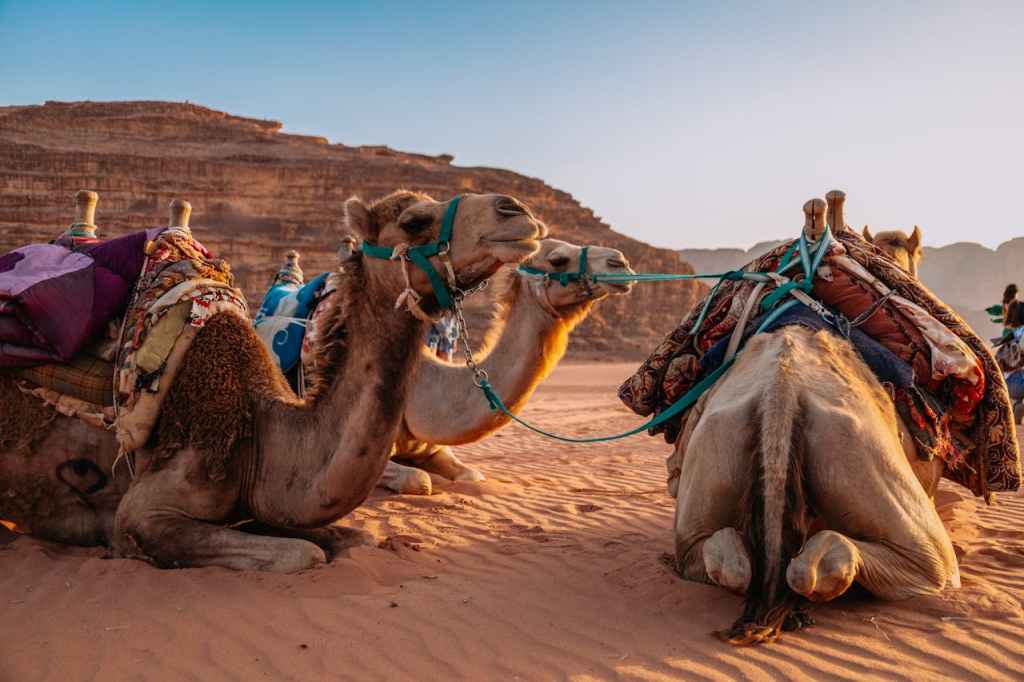
Summer in Wadi Rum is synonymous with extreme heat. Daytime temperatures can soar above 40°C, making it crucial to plan your activities around the cooler parts of the day. Early mornings and late afternoons are the best times to explore, allowing you to avoid the intense midday sun.
Despite the heat, Wadi Rum summer nights are surprisingly pleasant, with cooler temperatures that create perfect conditions for stargazing and sleeping under the stars. In fact, on of the best things you can do in Wadi Rum in summer, is grabbing a blanket and falling asleep right under the watch of the stars.
Autumn in Wadi Rum (September-November)
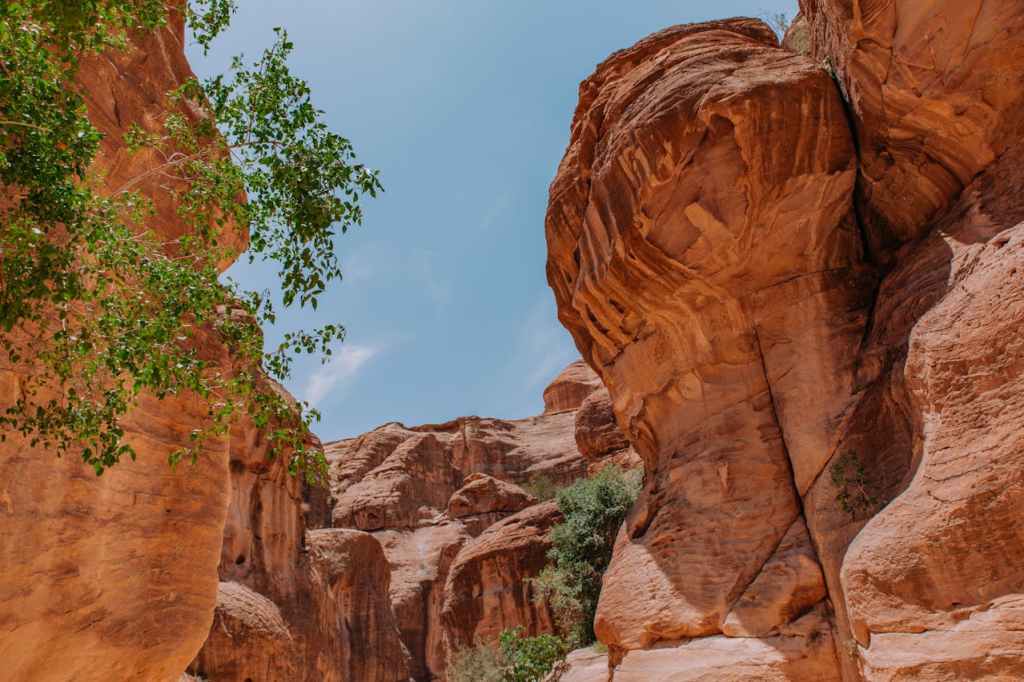
Autumn in Wadi Rum is a season of stable and pleasant weather, making it an ideal time for outdoor activities. Daytime temperatures typically reach around 30°C in September and October, gradually cooling to around 20°C by November. These conditions are perfect for hiking, camping, and exploring the desert’s many wonders.
Evenings in autumn can be significantly cooler, with temperatures dropping to around 9°C. The stunning sunsets and clear skies during autumn further enhance the beauty of Wadi Rum. Autumn is unsurprisingly one of the most popular seasons for visiting Wadi Rum, attracting many tourists.
While the increased number of visitors can lead to crowded spots, the pleasant weather and breathtaking scenery make it a worthwhile time to visit.
Winter in Wadi Rum (December-February)

During winter in Wadi Rum, daytime highs range from 13°C to 18°C, while nighttime lows sometimes drop below freezing. The winter season has the advantage of fewer tourists, allowing for a more intimate and serene experience in Wadi Rum. During winter, you will also get there rare chance to witness the seasonal flooding in Wadi Rum, bringing crucial water in the ecosystem.
Despite the cold, winter offers a unique perspective on the desert, with its crisp air and tranquil atmosphere. Stargazing is a highlight of winter visits to Wadi Rum, thanks to the minimal light pollution and clear skies. The quiet, star-filled nights provide a breathtaking spectacle that is sure to leave a lasting impression on any traveler.
What to Pack for Your Wadi Rum Trip
Packing for a trip to Wadi Rum requires careful consideration of the desert’s unique conditions. To understand how to best dress for your Wadi Rum adventure, take some inspiration from traditional Bedouin clothing.
During the day, breathable and lightweight clothing is essential to stay comfortable in the heat. Long-sleeved, loose-fitting clothes made from natural fabrics are recommended to protect your skin from the sun and sand. Avoid dark colors and synthetic materials, which can make you feel hotter. Sun protection is crucial, so bring sunglasses and plenty of sunscreen.
Additionally, we recommend buying a Keffiyeh in Jordan. This typical Jordanian-Palestinian scarf helps protect your face from direct sunlight, the heat, and sand. You can get a Keffiyeh in Amman or Wadi Rum Village.
Comfortable walking shoes are necessary for navigating the hot sand and rocky terrain. Additionally, a backpack is useful for carrying essentials like water, snacks, and a flashlight for nighttime navigation. If you book your stay with Wadi Tribe, your guides will take care of all of your food and water needs.
For visits during colder months, pack warm clothing, including thermal layers and a warm jacket, to stay cozy during chilly desert nights. With the right gear, you’ll be well-prepared to enjoy everything Wadi Rum has to offer.
Essential Packing Checklist for Wadi Rum
- Breathable, lightweight clothing
- Long-sleeved, loose-fitting clothes
- Sunglasses and sunscreen
- Keffiyeh (Jordanian-Palestinian scarf)
- Comfortable walking shoes
- Backpack for essentials
- Water and snacks
- Flashlight
- Warm clothing for colder months
- Thermal layers and warm jacket
Best Activities by Season
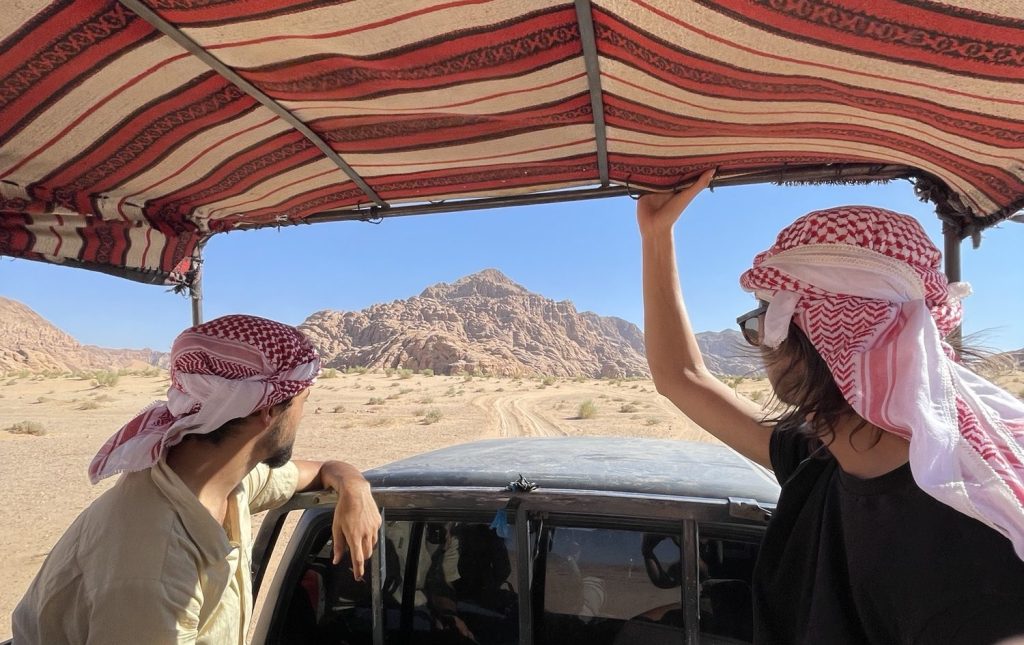
Wadi Rum offers a variety of activities that can be enjoyed year-round, with some being particularly suited to certain seasons.
Jeep Tours are the best way to explore Wadi Rum year-round. The off-road desert tours start early in the morning, making them accessible in peak season and in low season. Covering all of the most famous sites of Wadi Rum, these Jeep Tours, are by far the best way to get to know the Wadi Rum desert.
In spring, fall and winter, hiking and rock climbing closely follow Jeep Tours in popularity. Some popular day hikes includes Jebel Al Hash, Jebel Umm Ad Dami and Burdah Rock Bridge. Long-distance hikers should get familiar with the Jordan Trail, stretching over several hundred kilometres through the whole country of Jordan. It is recommend to hike this trail in spring or fall.
Camel rides are another timeless way to explore the desert landscape, providing a unique perspective on the vast, sandy expanse. Sandboarding down the dunes is an exhilarating experience, best enjoyed in the cooler mornings.
For a breathtaking view of Wadi Rum, hot air ballooning at sunrise is an unforgettable adventure. Jeep tours are another popular option, allowing visitors to cover more ground and see iconic landmarks within the desert quickly. Many camps organize these activities, enhancing your overall experience.
In winter, the clear skies make stargazing a magical experience, while campfire gatherings offer a cozy way to enjoy the chilly evenings. As you can see, each season brings its own set of activities, ensuring that there’s always something exciting to do in Wadi Rum, no matter when you visit.
Accommodation Options in Wadi Rum
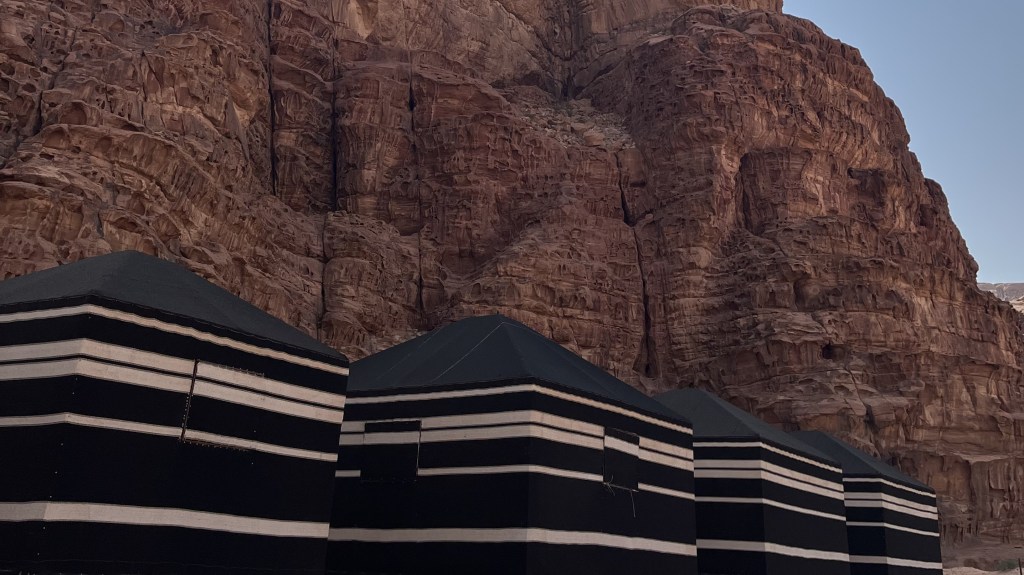
Wadi Rum offers a range of accommodation options to suit all budgets and preferences. For those seeking luxury, glamping experiences provide private bathrooms, air conditioning, and gourmet meals, allowing you to enjoy the desert in comfort.
Budget-friendly camps are also available, with prices as low as 10€ per night, making it accessible for all types of travelers. Spending a night in a desert camp is a unique way to immerse yourself in Bedouin culture and enjoy the starry night sky. Some accommodations even offer bubble tents or luxury tents, allowing guests to sleep under the stars.
Bear in mind that the budget-friendly traditional Bedouin tents don’t come with air-conditioning. For the most comfortable stay and air-conditioning in summer, we recommend booking a luxury tent equipped with a fan or an A/C unit.
Booking in advance, especially during peak seasons, ensures that you secure the best possible accommodation for your desert adventure. Wadi Tribe offers authentic desert experiences in Wadi Rum, collaborating with local Bedouin guides. Make your booking today and secure a spot on one of their Jeep Tours incl. Camping in the desert.
Summary
Wadi Rum is a destination of unparalleled beauty and diverse experiences, with each season offering something unique. From the mild weather and blooming flowers of spring to the intense heat and solitude of summer, the stable temperatures of autumn, and the crisp, star-filled nights of winter, there’s never a wrong time to visit.
Therefore, your best time to visit Wadi Rum depends on your personal preferences. You can’t handle the extreme summer heat? Come visit Wadi Rum in high season. Your are on a budget and don’t care about the intense heat? Come visit Wadi Rum in low season.
By understanding the climate, packing appropriately, and choosing the right activities and accommodations, you can make the most of your journey to this magical desert – whether you are coming in summer or winter.
Frequently Asked Questions
What is the best time to visit Wadi Rum?
The best time to visit Wadi Rum is from October to April, when the mild weather enhances the experience of outdoor activities. Plan your trip during this season for optimal comfort and enjoyment.
How hot does it get in Wadi Rum during the summer?
Summer temperatures in Wadi Rum can exceed 40°C (104°F), so it’s crucial to schedule activities for the cooler early mornings or late afternoons.
What should I pack for a trip to Wadi Rum?
For your trip to Wadi Rum, ensure you pack breathable, lightweight clothing for the day, warm layers for the night, along with a hat, sunglasses, sunscreen, comfortable shoes, and a flashlight. This combination will keep you comfortable and prepared for the desert environment.
Are there budget accommodation options in Wadi Rum?
Yes, Wadi Rum offers budget-friendly camps starting at around 10€ per night, making it accessible for budget travellers and backpackers. Also we recommend pooling with other tourists, to save money on transfers and tours.
What activities can I do in Wadi Rum?
You can enjoy camel rides, sandboarding, hot air ballooning, jeep tours, and stargazing in Wadi Rum, each providing a unique experience depending on the season. Make sure to take advantage of the diverse activities available.

 waditribe.com