
Wondering what to see in Wadi Rum? This guide covers the top 23 Wadi Rum sites, from iconic rock formations to ancient carvings and natural springs.

Get ready to explore the best this desert has to offer – by camel, by jeep or by foot.
Key Takeaways
- Wadi Rum is home to stunning natural rock formations like the Seven Pillars of Wisdom and Burdah Rock Bridge, offering hiking opportunities and breathtaking views.
- Ancient historical sites such as Anfishiyyeh’s petroglyphs and the Nabatean Temple show the rich history and heritage of the region. Other notable historical sites include Lawrence Spring and Lawrence House, remnants of T. E. Lawrence’s time in Wadi Rum.
- Visitors to Wadi Rum can embrace local Bedouin culture through traditional experiences like camel rides, Bedouin meals cooked using the Zarb method, and camping under the stars. With Wadi Tribe, visitors can experience authentic Bedouin life in the heart of the Wadi Rum Protected Area.
Make the Best of Your Time in Wadi Rum.
Book Your Full Day Jeep Tour With Wadi Tribe.
With Wadi Tribe, you will discovers 10+ of the most famous sites in Wadi Rum in one tour. We take care of everything else, including food, water and accommodation.
- Key Takeaways
- Book Your Full Day Jeep Tour With Wadi Tribe.
- 5 Things To Do before You Visit Wadi Rum
- The Seven Pillars of Wisdom
- Ancient Anfishiyyeh Inscriptions
- Nabatean Temple
- Khazali Canyon
- Lawrence Spring
- Lawrence House
- Red Sand Dune
- Small Rock Bridge (Little Bridge)
- Umm Fruth Rock Bridge
- Burdah Rock Bridge
- Barrah Canyon
- Jabal Umm Ad Dami
- Mushroom Rock
- Abu Kashaba Canyon
- Sunset at Umm Sabatah
- Discover Bedouin Culture at Wadi Rum’s Bedouin Camps
- Jabal Al Hash
- Sunrise Camel Ride
- Cow Rock
- Wadi Rum Trail
- Jabal Al Mazmar
- Ain Abu Aineh
- Summary
- FAQs
5 Things To Do before You Visit Wadi Rum
Before you head to the Wadi Rum desert, there is a few things you should take care of. Don’t forget to do these 5 things before you visit Wadi Rum:
- Book Your Jordan Pass: If you have not made your way to Jordan yet, this is your last call to book the Jordan Pass. The Jordan Pass is a tourist offer that allows you to save a lot of money on your Jordan trip, including the Wadi Rum entrance fee.
- Book Your Hotel & Tours: We recommend booking hotels and tours for your Wadi Rum adventure online in advance. This way, you will find the best offers and get the chance to arrange transport from Wadi Rum Village to your desert camp before arrival.
- Check Transportation Options: Check taxi services, rental car prices and bus schedules to find your best option to get to Wadi Rum. If you are looking for a smooth transfer, book your Wadi Rum trip with Wadi Tribe and gain access to exclusive transport options.
- Withdraw Cash: Hotel stays and activities in Wadi Rum are paid in cash. However, you will not find any ATM in Wadi Rum Village. The last ATM is located at the Wadi Rum Visitor Center. Therefore, make sure you have all the cash you need to cover your trip.
- Buy Sun Protection: If you haven’t already, make sure to buy sunglasses, a hat and sunscreen. Take the chance to learn from Bedouin clothing and buy a keffiyeh to protect your head from the sun.
The Seven Pillars of Wisdom
The Seven Pillars of Wisdom, also known as Jabal al Mazmar, are named after the famous memoir by T.E. Lawrence. These towering rock formations provide a dramatic introduction to the Wadi Rum landscape, including the notable Jebel Rum. With five main visible pillars and two additional ones around the edges, the formation resembles a natural fortress jutting out from the earth.
The Seven Pillars of Wisdom are located close to the Wadi Rum Visitor Center, making them one of the first sites in Wadi Rum for you to stop at. Hiking to the Seven Pillars is a popular activity, with the trail conveniently accessible from behind the Wadi Rum Visitor Center. The imposing sandstone cliffs provide a challenging climb and a rewarding view at the top, making it the perfect introduction to Wadi Rum.
Ancient Anfishiyyeh Inscriptions

Jabal Anfishiyyeh is home to some of the most significant ancient inscriptions you’ll find in Wadi Rum. These rock carvings date back approximately 2,500 to 2,800 years and include Thamudic and Nabatean petroglyphs.
The petroglyphs mainly feature scenes of camels, hunting, and various symbols that reflect their daily lives. The Anfishiyyeh inscriptions also include marks from pilgrims on their way to Mecca. Each symbol in the rock inscriptions tells a story of ancient interactions and journeys, making it feel like stepping back to prehistoric times.
Nabatean Temple
The Nabatean Temple, dating back to the 1st century BC, was built to honor the goddess Allat. Latin inscriptions from the 3rd century AD indicate that the temple continued to function during the Roman period, adding another layer to its historical significance.
Located just a short walk from the Wadi Rum Rest House, the Nabatean Temple is easily accessible for visitors before embarking on their Jeep Tours. Although the Nabataean Temple has suffered significant damage over the centuries, the foundational blocks that remain visible offer a glimpse into its former grandeur.
Khazali Canyon
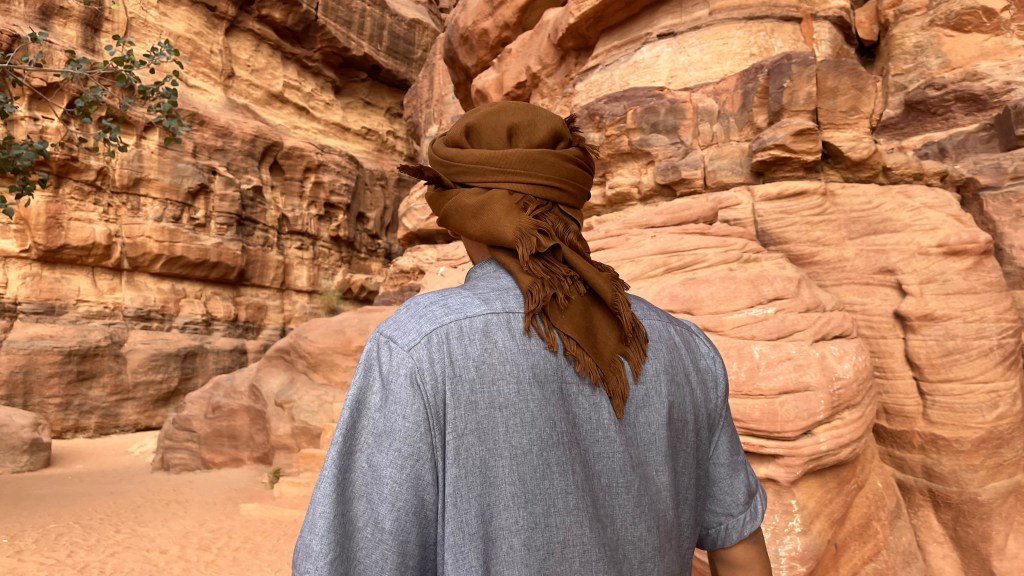
Khazali Canyon is one of Wadi Rum’s most beautiful canyons natural refuges, offering cool shade and a break from the desert heat. Nestled between sandstone cliffs, the canyon provides a unique geological view and a striking contrast in the landscape.
The entrance of Khazali Canyon is guarded by an old wild fig tree. Inside of the canyon you will not only find shade and cold air, but also ancient inscriptions showing scenes of daily life such as a woman giving birth while squatting.
Walking through Khazali Canyon is a short but rewarding experience, taking about 20 minutes to complete. The shaded walk offers a welcome respite from the harsh sun, allowing for a leisurely exploration of the canyon’s unique features.
Lawrence Spring
Lawrence Spring, located about 3 kilometres from Wadi Rum Village, is a natural spring that offers both fresh water and stunning views of the surrounding desert landscape. The spring is named after T.E. Lawrence, who is said to have rested here during the First Arab Revolt.
Today, it remains a popular spot for visitors looking to experience a piece of history while enjoying a refreshing hike. Reaching Lawrence Spring typically involves a short hike, making it a perfect stop for those exploring Wadi Rum.
Lawrence House
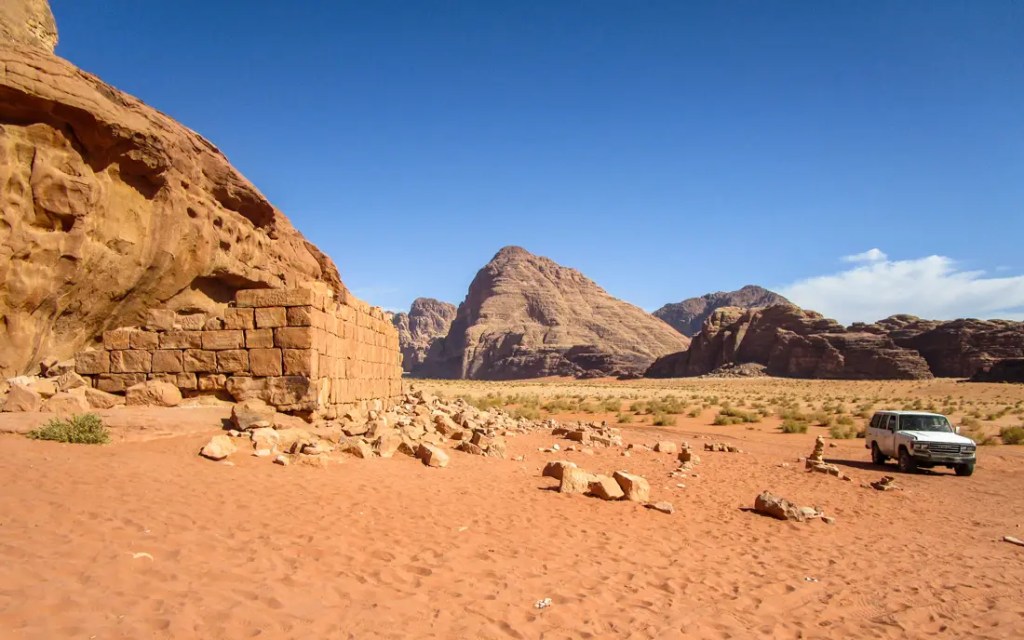
Lawrence House, known locally as ‘The Small Palace’, was used by T.E. Lawrence during his campaigns in the desert around 1917. This structure is located about 10 kilometers from Wadi Rum Village and is speculated to first have been built as an Ottoman outpost. Lawrence House is less of a house and more of a stone shelter built into a mountain side.
Lawrence House is part of Wadi Tribe’s Full Day Jeep Tours in the Wadi Rum Protected Area, offering visitors a glimpse into the historical significance of Lawrence of Arabia and the role he played in this region. Today, visitors like to place like stones stacks on the plateau next to Lawrence House to pay homage to the British explorer.
Red Sand Dune
The Red Sand Dune, also known as Al Ramal, is renowned for its striking red color, a result of the iron oxide content in the sands. This dune offers an ideal surface for sandboarding, providing a unique challenge compared to snowboarding. Climbing to the top of the dune rewards visitors with panoramic views of Wadi Rum, a key filming location for the movie ‘Lawrence of Arabia’.
Approximately 5 kilometers south of Wadi Rum Village, the Red Sand Dune is popular for sunrise views and usually included in Desert Jeep Tours. If you book your Jeep Tour with Wadi Tribe, you will have the chance to scale the Red Sand Dune for a stunning view of the Wadi Rum desert.
Small Rock Bridge (Little Bridge)
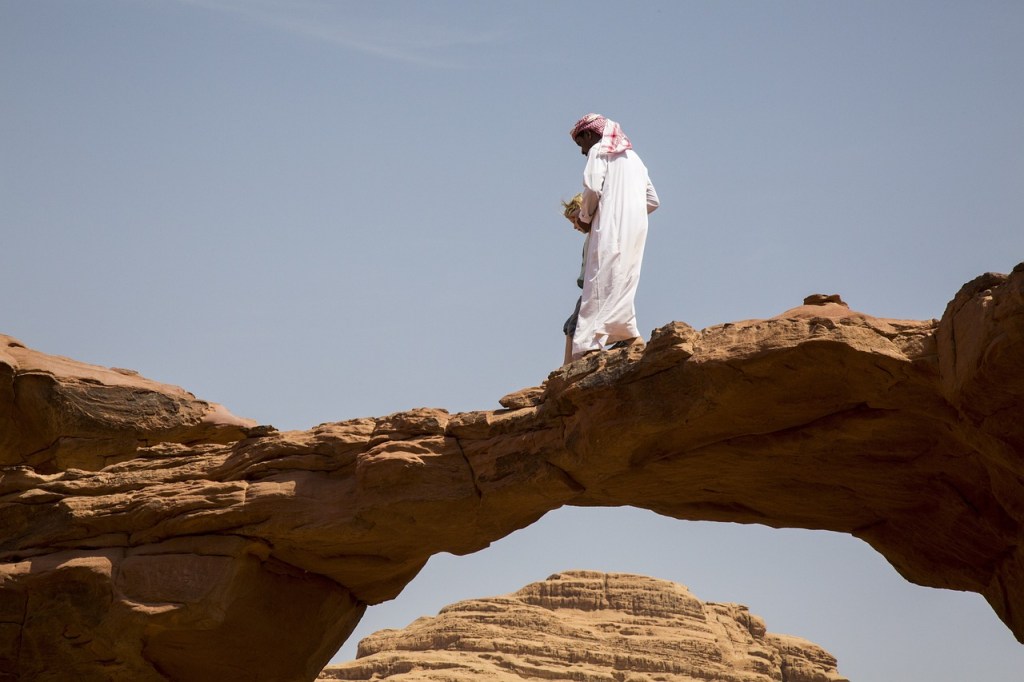
The Small Rock Bridge, also known as ‘Little Bridge’ or ‘Raqabat al Wadak’, offers a scenic overlook of the Khor al Ajram Valley in Wadi Rum. Standing at 4 meters above the surrounding rocks and 7 meters above the valley floor, this natural arch is accessible for climbers of varying skill levels.
Visitors can walk across the archway and get a snapshot take. Just make sure to watch your step as the rock bridge is a natural stone formation with any protective railing. At the foot of the Small Rock Bridge, a small souvenir store offers fresh Bedouin tea and artisanal goods from the Wadi Rum desert.
Umm Fruth Rock Bridge
Umm Fruth Rock Bridge is the second tallest rock bridge in Wadi Rum, standing at 15 meters high. This rock formation is one of the most photographed sites in the area, offering stunning views from its summit. The climb to the top involves using hand and footholds carved into the rock, making it accessible for most visitors.
Reaching the summit of Um Fruth Rock Bridge offers a gentle yet rewarding challenge, with the climb typically taking about five minutes with guidance. Once at the top, visitors often take photos against the vast sky, capturing memories of their adventure in Wadi Rum.
Burdah Rock Bridge

Burdah Rock Bridge, also known as Jabal Burdah, is one of the tallest rock bridges in the world, standing at 35 meters high. The rock bridges in Wadi Rum are formed through natural stone erosion, creating unique stone structures that draw climbers and adventurers from around the globe.
The hike to Burdah Rock Bridge is one of the most rewarding climbs in Wadi Rum for those in reasonable physical condition. At the top, visitors are treated to stunning panoramic views of the surrounding desert landscape, making the effort well worth it. Wadi Tribe offers fun hiking packages including an English-speaking guide, fresh water and a lunch cooked on the trail.
Barrah Canyon
Barrah Canyon offers a 1.5 to 2-hour hike, allowing visitors to fully appreciate the breathtaking desert landscapes. Known for its stunning rock formations, the canyon provides a sense of tranquility amidst the natural beauty of Wadi Rum.
Barrah Canyon is considerably wider than Khazali Canyon offering a nice mix of sun and shade along with different surfaces to hike on. Hiking Barrah Canyon is an entry-level activities that is especially suitable for families with children.
Jabal Umm Ad Dami

The hike to the summit of Jabal Umm Ad Dami, the highest peak in Jordan, typically lasts around 2 to 3 hours depending on the hiker’s pace. The trail involves a moderate climb with an elevation gain of 430 meters (1,410 feet), offering a rewarding challenge for hikers.
From the summit, hikers can enjoy sweeping views of the surrounding desert landscape, including parts of Saudi Arabia and the Red Sea on a good day. This hike is a must for hiking enthusiasts. It is recommended to complete the hike with a local Bedouin guide as the trail is not marked as you might expect from other hiking hotspots.
Mushroom Rock
Mushroom Rock is a natural formation characterized by a rounded top supported by a narrower base, formed through erosion of softer sedimentary layers beneath harder rock. This landmark serves as a popular photo spot for visitors, thanks to its distinctive appearance against the flat desert landscape.
Situated at GPS coordinates 29.518054N, 35.493502E, Mushroom Rock is a notable destination during Wadi Tribe’s Full Day Tours in Wadi Rum. Next to Mushroom Rock, you will also find a Bedouin tent with tea for a quick rest and a volleyball net, if you fancy a play with the Bedouins.
Abu Kashaba Canyon

Abu Khashaba Canyon is known for its striking contrasts of red and yellow against lush greenery. Despite its beauty, this canyon is not marked on the official Wadi Rum tourist map, but it is centrally located, making it a hidden gem for those in the know.
Visitors can enjoy a 45-minute walk through Abu Khashaba Canyon, taking in its unique atmosphere and stunning views of the most beautiful canyons. The vibrant colors, particularly when illuminated by sunlight, create a breathtaking natural palette, making this canyon a must-visit for photographers and nature lovers alike.
Sunset at Umm Sabatah
Um Sabatah, located 10 kilometers from Rum village, is famous for its breathtaking sunsets. Visitors often describe the experience as unforgettable, with the desert landscape bathed in the warm hues of the setting sun.
At Wadi Tribe, we end all of our Full Day Tours and our Half Day Tours tarting in the afternoon at Umm Sabatah. Our guides will prepare some fresh Bedouin tea for you as you enjoy the breathtaking views of the sun dipping into the desert sand.
Discover Bedouin Culture at Wadi Rum’s Bedouin Camps

Experiencing Bedouin tribes culture firsthand is one of the highlights of any visit to Wadi Rum. Traditional Bedouin camps are designed for comfort, featuring goat wool fabric for insulation and elevated structures to stay clean and cool. Visitors can get a glimpse of Bedouin culture in Wadi Rum and try authentic Bedouin food such as the Zarb, meats and vegetables cooked underground for hours.
Bedouin hospitality is legendary, and guests are often treated to Bedouin tea, served throughout the day in small glasses. This tea, often sweetened, is known for its digestive benefits and is a staple of Bedouin hospitality. Spending time in one of Wadi Tribe’s Bedouins tents allows visitors to connect with the local culture in a meaningful way, making their Wadi Rum adventure even more memorable.
Jabal Al Hash
Jabal Al Hash is a prominent mountain ridge in Wadi Rum, extending several kilometers and providing panoramic views of Wadi Sabit and the Saudi border. Hiking to Jabal Al Hash offers a moderate trail suitable for various fitness levels, featuring a gentle incline leading to a flat plateau. The hike typically covers 6 to 8 kilometers with an elevation gain of 237 meters, making it an enjoyable trek for all, including those who wish to explore Jabal Rum.
As you hike along Jabal Al Hash, you’ll have opportunities to view unique trace fossils and experience serene desert sunsets. After the hike, visitors often enjoy a picnic lunch in the shade, followed by a scenic desert drive. This combination of physical activity and relaxation makes Jabal Al Hash a must-visit destination in Wadi Rum.
Sunrise Camel Ride

A sunrise camel rides in Wadi Rum offers a magical way to start the day. As you traverse the desert landscape on the back of a camel, you can enjoy spectacular views of the sun rising over the horizon, casting a golden glow over the sand dunes and mountains.
This serene experience is a must-do for anyone visiting Wadi Rum, providing a unique perspective on the breathtaking views of the desert at dawn. If you are worried about the camels’ treatment in Wadi Rum, we recommend this in-depth article on ethical camel riding in Wadi Rum.
Cow Rock
The Wadi Rum desert is full of striking natural rock formations that resemble real-life phenomena. After the Mushroom Rock, you can also find a so-called Cow Rock in the Wadi Rum desert. It is located at the following coordinates: 29.473634, 35.391733.
If you are looking for even more unique rock formations, you might also be interested in the Chicken Rock of Wadi Rum. The Chicken Rock, however, is a well-kept secret of the desert. If you are keen on finding it, feel free to ask one of our guides about it.
Wadi Rum Trail
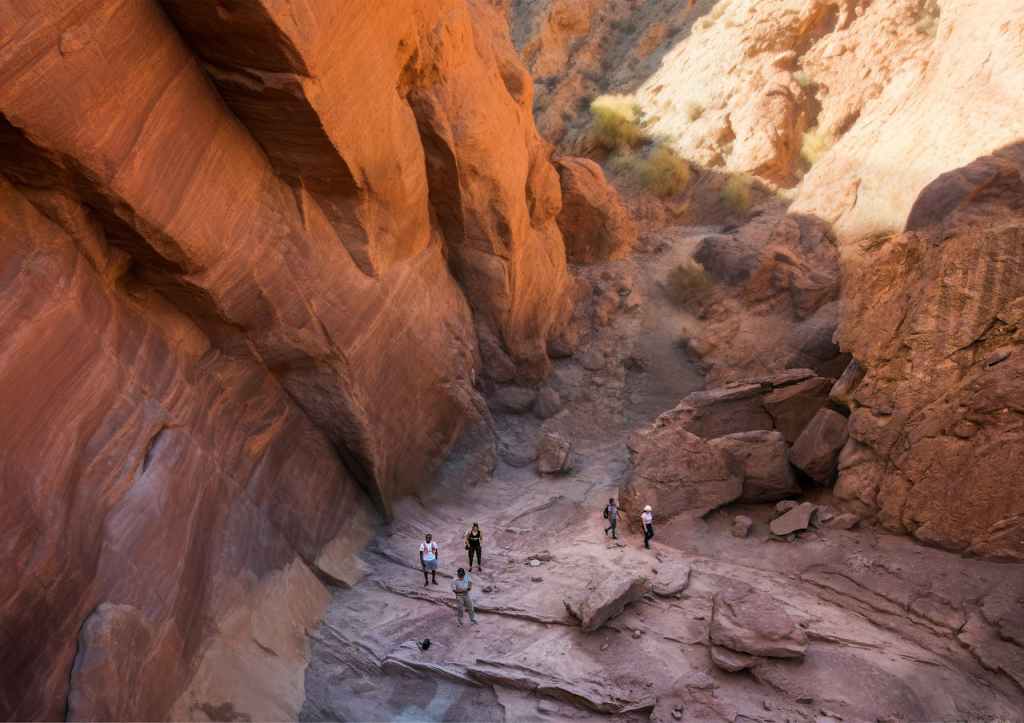
The Wadi Rum Trail offers one of Jordan’s best and newest trekking routes that caters to different skill levels, allowing hikers to explore stunning sandstone cliffs and narrow gorges. Created on the initiative of international hiking enthusiasts and local bedouins, This trail is designed to be hioked with a local Bedouin guide.
The Wadi Rum trail takes you around the Wadi Rum desert in a loop, taking about a week to complete in total. On the trail, you will explore parts of the Wadi Rum desert only a few tourists have been lucky to see before. To learn more about the Wadi Rum Trail, read our full article on it.
Jabal Al Mazmar
Jabal Al Mazmar is yet another impressive mountain located in the southern part of Wadi Rum, known for its rugged terrain and spectacular views. This site offers a rewarding hiking experience with trails that wind through narrow canyons and rocky landscapes shaped by wind erosion over centuries.
The mountain also holds historical significance, with ancient rock inscriptions and petroglyphs scattered throughout the area, providing insight into the lives of the Bedouin families and travelers who once passed through this natural environment.
Ain Abu Aineh

Ain Abu Aineh is a lesser-known natural fresh water spring in Wadi Rum that provides a refreshing oasis amid the arid desert landscape. This spring has been a vital water source for Bedouin tribes and wildlife, making it an essential part of the natural environment in the area. Today, it’s an especially important fresh water source for the Bedouins’ camels.
Visitors to Ain Abu Aineh can enjoy a peaceful stop surrounded by rock formations and desert flora adjacent to Lawrence Spring. The spring’s cool, fresh water offers a perfect spot to rest and take in the serene beauty of Wadi Rum before starting your actual desert adventure. Ain Abu Aineh usually marks the first stop on Wadi Tribe’s Full Day Jeep Tours.
Summary
Wadi Rum is a must-visit for any tourist coming to visit Jordan. From the towering Seven Pillars of Wisdom to the intricate Nabatean inscriptions, each site offers a unique glimpse into the past of the Wadi Rum desert.
Whether you’re hiking up rock bridges, enjoying the sunset at Um Sabatah, or experiencing traditional Bedouin culture, Wadi Rum promises an unforgettable journey. So, pack your bags and get ready to explore the wonders of this desert paradise!
FAQs
What is the best time to visit Wadi Rum?
The ideal time to explore Wadi Rum is in the spring or autumn when the weather is pleasant and perfect for outdoor adventures. So, plan your visit between March to May or September to November for the best experience!
Can I visit the Seven Pillars of Wisdom without a guide?
Absolutely, you can explore the Seven Pillars of Wisdom on your own since there’s a trail accessible from the Wadi Rum Visitor center. Just make sure to have a map handy to enhance your experience!
What activities can I do in Wadi Rum?
From hiking and camel riding to rock climbing and sandboarding, there is plenty of activities in Wadi Rum. You can also learn about Bedouin culture and enjoy some stunning stargazing at night at one of the Bedouin camps of Wadi Rum.
How long does it take to hike to Burdah Rock Bridge?
Hiking to Burdah Rock Bridge typically takes a few hours, but it can vary based on your fitness level. So, pace yourself and enjoy the stunning views along the way. For a safe hiking experience, book your hike with one of Wadi Tribe’s English-speaking guides.
Is it safe to walk across the Small Rock Bridge?
It’s generally safe to walk across the Small Rock Bridge. In fact, the Small Rock Bridge is a popular photo spot for tourists on Jeep Tours. Just make sure to watch you step as there is no railing to protect you from falling.

 waditribe.com