
When travelling in the Middle East, one stumbles a lot over the word ‘wadi’. But what does it actually mean?

In this article, we will explain to you the meaning of ‘wadi’, introduce you to some defining characteristics of wadis and present to you some of the more popular wadis around the word.
Key Takeaways
- A wadi is a dry riverbed or valley that fills with water during the rainy season, commonly found in Northern Africa and Southwest Asia.
- Wadis are shaped by seasonal flash floods and support various plants, animals, and human settlements.
- Wadi Rum in Jordan is a notable example, offering desert landscapes and opportunities for activities such as camel rides and jeep tours.
- Key Takeaways
- What is the Meaning of Wadi? Definition
- Popular Wadis Around the World
- The Bottom Line
- Frequently Asked Questions
What is the Meaning of Wadi? Definition
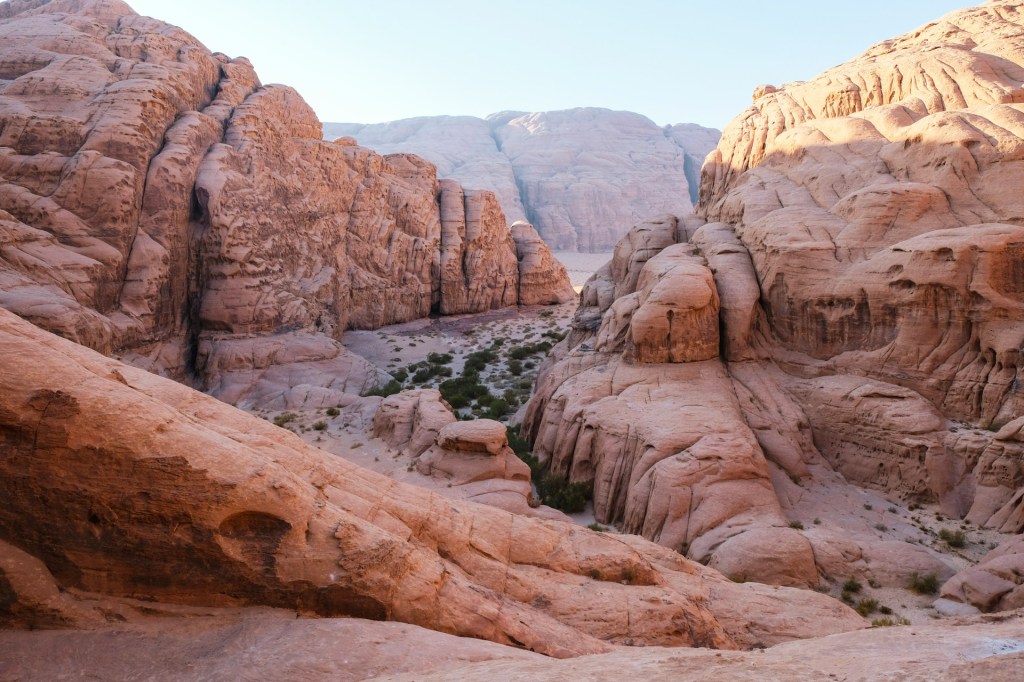
The word ‘wadi’ has its origin in the Arabic language and describes “the bed or valley of a stream (…) that is usually dry except during the rainy season and that often forms an oasis”, as Merriam-Webster puts it. These seasonal riverbeds and valleys are usually found in Northern Africa and Southwest Asia.
The main difference between a regular river and a wadi is the lack of a regular water source. Therefore, the stream bed remains dry for most of the year until the rainy season sets in. In autumn, wadis are usually resupplied with water from flash floods and carry water until spring. The phenomenon of a wadi is comparable to a gully or a wash.
While the terms ‘gully’ and ‘wash’ are more commonly associated with the riverbed itself, a wadi usually describes a wider region surrounding the dry riverbed, usually a valley that has been formed over time. For instance, Wadi Rum in Jordan not only comprises the ever-changing riverbed, but rather the desert surrounding it.
Note: Due to the extensive Arabic influence on the Iberian Peninsula, the word ‘wadi’ also made it into the Spanish language and gave rise to names such as Guadalajara and Guadalquivir. In its Spanish context, however, the name refers to an actual river rather than a dry riverbed.
Popular Wadis Around the World
Wadis are commonly located in arid regions in Southwest Asia and Northern Africa. Due to their seasonal vegetation, they do not only attract wildlife, but also human settlement such as Bedouins. Today, in several regions, these Bedouins invite tourists to get to know the wadis, their culture and their society.
These are some popular wadis around the world that you can visit:
Wadis in the Middle East
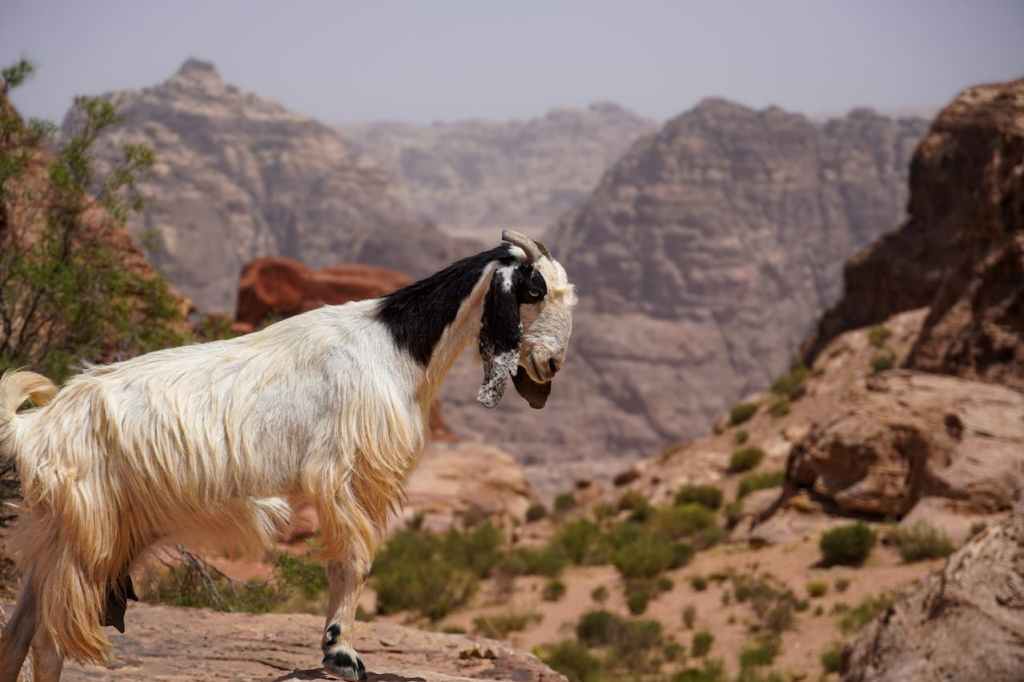
In the Middle East, a geopolitical region encompassing a host of Northwest Asian countries such as Syria, Iraq, Israel, Palestine and Jordan, you can find a high concentration of wadis. Some of the more popular and accessible wadis of the Middle East are located in Jordan: Wadi Mujib and Wadi Rum.
Wadi Mujib is located in the center of Jordan not too far from the city of Madaba. Wadi Mujib is a steep, narrow valley that carries water for the majority of the years. In recent years, this wadi has risen to popularity as a destination for adventure hikers that traverse the stream bed on their hikes.
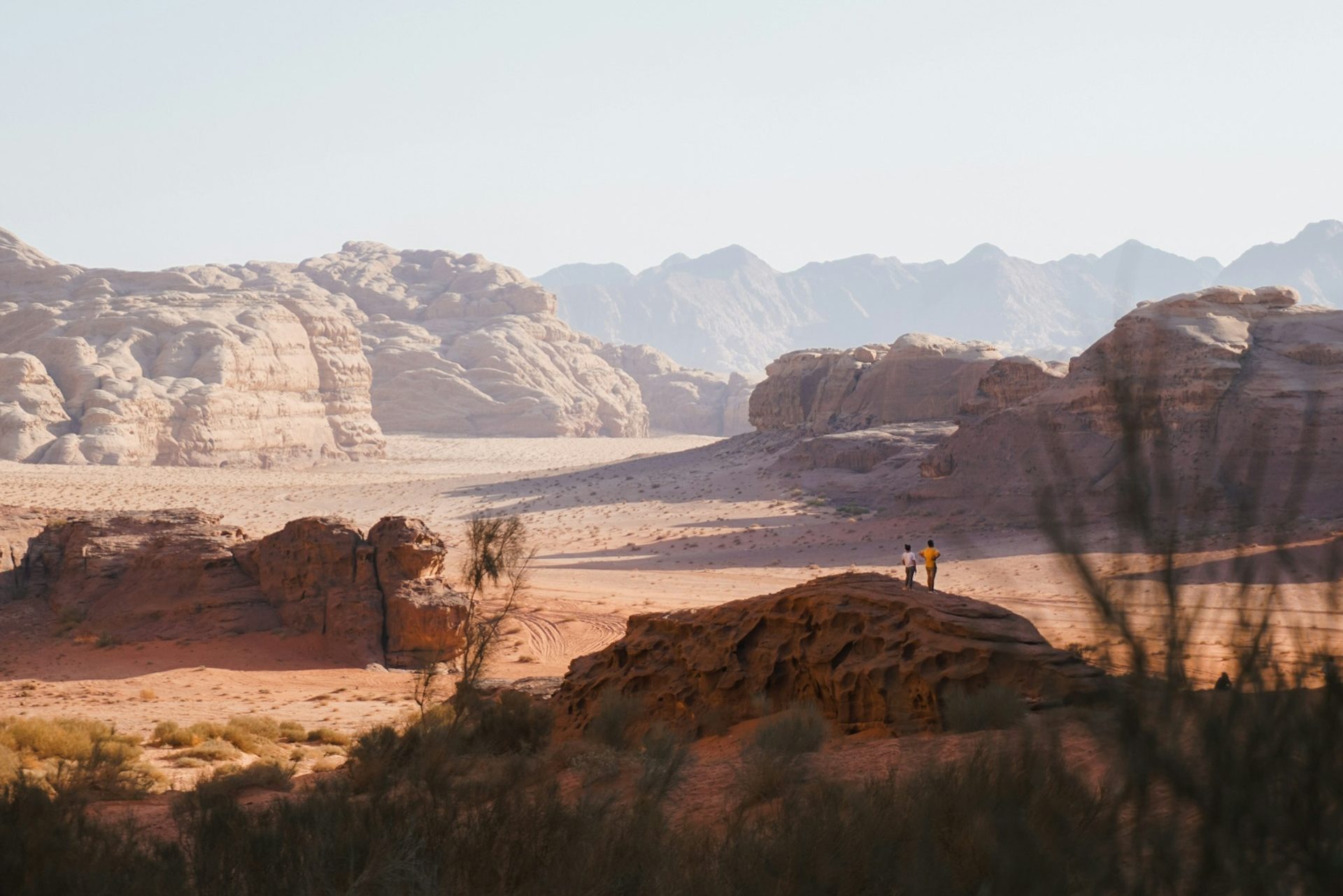
Wadi Rum in Southern Jordan is popular for its camel rides and jeep tours. This wadi is wider and encompasses parts of the surrounding desert. Wadi Rum boasts a fascinating millennia-old history as a crossroads of regional trade. It was first settled in prehistoric time and later by the Nabataeans.
Even later, the nomadic Jordanian Bedouin started to make a living in the desert herding camels and goats and making use of the desert’s scarce and seasonal resources such as acacias, wild figs and desert pumpkins. Today, you can find ancient rock carvings, natural stone arches and narrow valleys in Wadi Rum – all covered by its unique red sand.
What does Wadi Rum mean? Keep reading in our article explaining the interesting meaning behind the name ‘Wadi Rum’.
Wadis on the Arabian Peninsula
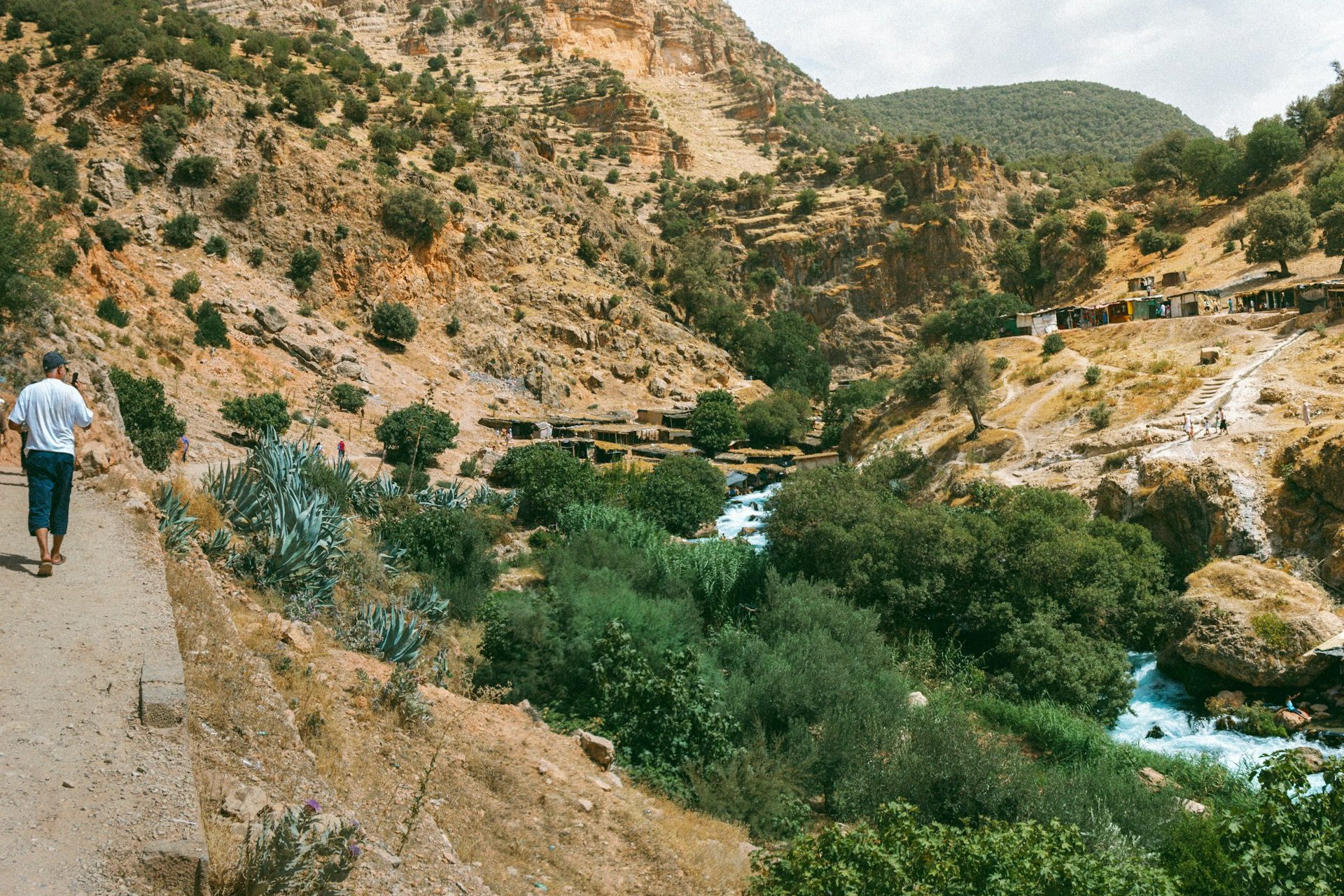
On the Arabian Peninsula, that comprises Saudi Arabia, the UAE, Kuwait, Bahrain, Qatar, Oman and Yemen, there are even more wadis to be found. Wadi Disah in Saudi Arabia is one of the better-known wadis of the region attracting thousands of tourists each year for its lushness and red aesthetic. In fact, this wadi is not too far from Wadi Rum being located just south of Tabuk in Northern Saudi Arabia.
Another popular wadi on the Arabian Peninsula, Wadi Al-Rummah, is also located in Saudi Arabia. Stretching from Jebel Al-Abyad to Buraidah, this wadi has an impressive length of over 600 km traversing much of Saudi Arabia’s central highlands. Today, Wadi Al-Rummah is increasingly filled up by encroaching sand dunes meaning it doesn’t carry water over its full length anymore.
Wadis in Northern Africa
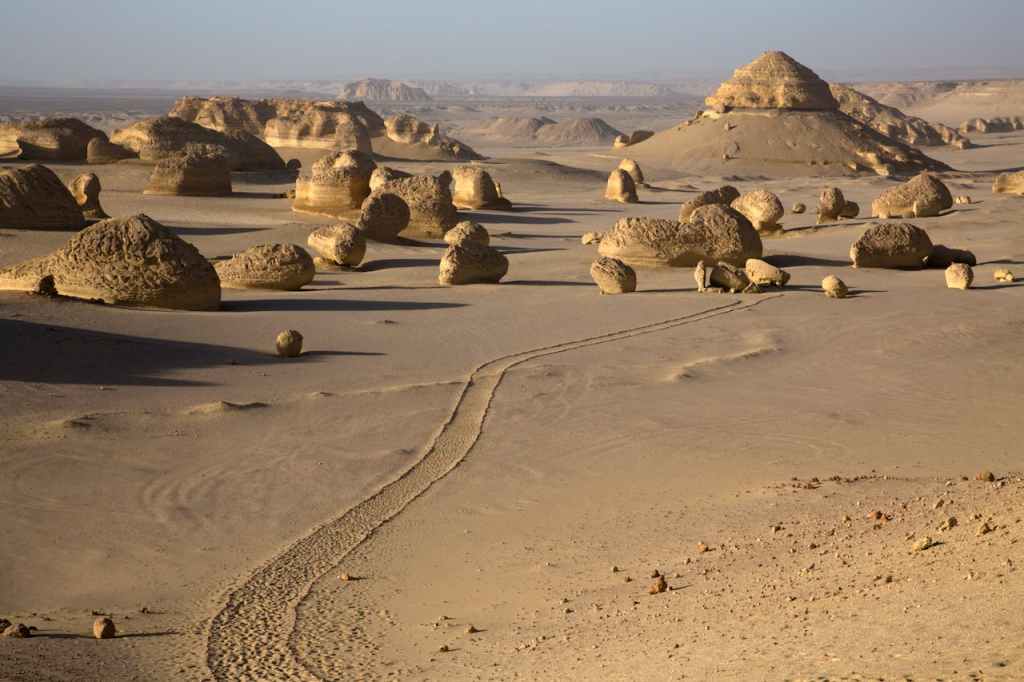
In Northern Africa, from Morocco to Egypt, wadis are also very common, though they are sometimes referred to as ‘oued’ instead of ‘wadi’. The dry riverbeds are especially common in parts of the Sahara serving as oases of life for local flora and fauna. Some of the most popular wadis of Northern Africa are Wadi Ziz and Wadi Abiod in Morocco and Wadi El-Hitan and Wadi Al-Arish in Egypt.
Crossing through Algeria and Tunisia from its spring in the Tell Atlas Mountain all the way to the Mediterranean Sea, Wadi Madjardah is strictly speaking not a wadi, but a river. Still though, this river is often referred to as a ‘wadi’, a phenomenon that we can also observe on the Iberian Peninsula as noted above.
Wadis in Other Parts of the World
Outside of Northwest Asia and Northern Africa, wadis are usually not found. Instead, other types seasonal riverbeds are referred to with other names, often displaying slightly different features from those found in wadis. Some popular examples from other parts of the world are Organ Pipe Valley in Namibia and the washes (or arroyos) of the southern United States of America.
The Bottom Line
Characterized by arid terrain and seasonal flash floods and rainfall, wadis have becoming a defining feature of North African and Southwest Asian landscapes. Their seasonal water flows not only provide life to flora and fauna, but also made a home for nomadic communities such as the Bedouin. Today, wadis can be visited during dry season for touristic activities such as adventure hikes, jeep tours and camel rides.
Frequently Asked Questions
What is the meaning of wadi?
The word ‘wadi’ comes from the Arabic language and describes a dry riverbed that only carries water during the rainy season. Wadis are usually found in Northern Africa and Southwest Asia.
What is the difference between a wadi and a canyon?
On the one hand, a canyon is a steep valley that was formed over millions of years, usually by the erosive forces of a river. A wadi, on the other hand, describes a dry riverbed that only sees seasonal surges of water.
What is the wadi in the Bible?
When there is a wadi mentioned in the Bible, it refers to a dry riverbed that carries water in the rainy season. In some translations of the Bible, it it’s translated to ‘brook’ or ‘valley’.
What is an example of a wadi?
One of the most popular examples of a wadi is Wadi Rum in Southern Jordan. This wadi encompasses not only a seasonal riverbed but also several heavily eroded sandstone canyons and mountains and a vast red sand desert.



 waditribe.com