
The Red Sea is one of the best diving destinations in the world. Not only does it house some of the world’s best coral reefs, but also plenty of marine life including whale sharks, reef sharks and manta rays. But what is the best time to dive in Red Sea?
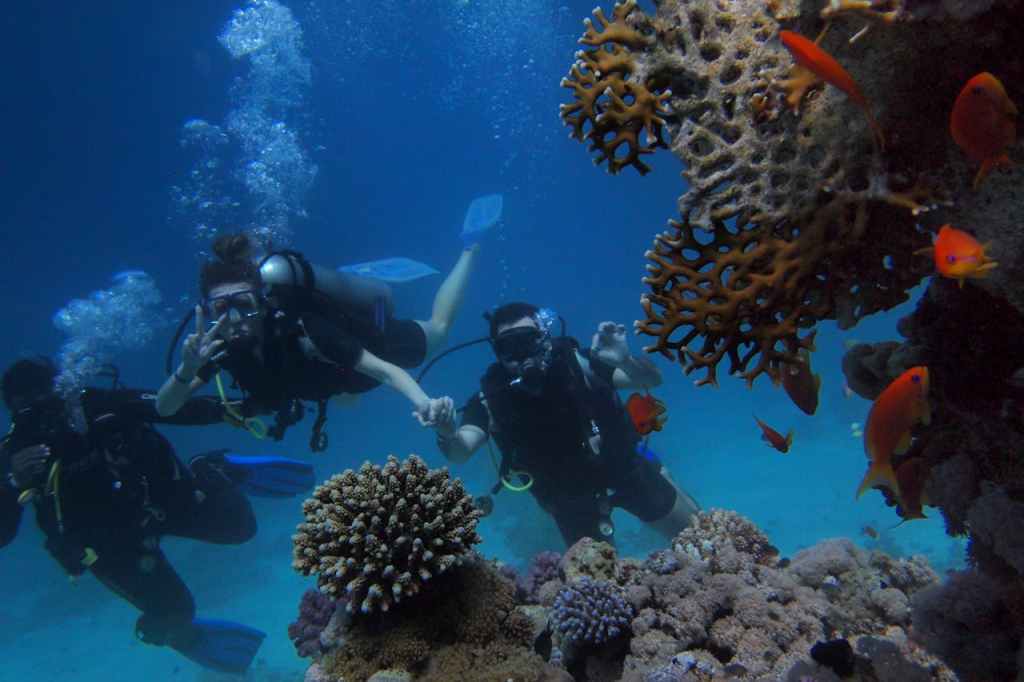
In this article, we’ll do a deep dive into the scuba diving seasons of the Red Sea and uncover the best places to dive at according to the season. This is your scuba dive guide for the best time to dive in the Red Sea.
Key Takeaways
- The best time to dive in the Red Sea is during spring (March-May) and autumn (September-November), when water and air temperatures are comfortable and marine life is active.
- Summer (June-August) is very hot with fewer tourists and good chances to see hammerhead sharks, but surface temperatures can be extreme.
- Winter (November-February) has cooler air and water temperatures, requiring thicker wetsuits, but offers better visibility and fewer crowds.
- Popular diving spots include Hurghada, Marsa Alam, Sharm El-Sheikh, and Dahab, with options for both liveaboard trips and shore dives depending on your preference.
- Key Takeaways
- A Quick Introduction to the Red Sea
- Scuba Diving Seasons in the Red Sea
- What are the Best Months to Dive in the Red Sea?
- Where to Stay for Scuba Diving in the Red Sea
- The Bottom Line
- Frequently Asked Questions
A Quick Introduction to the Red Sea
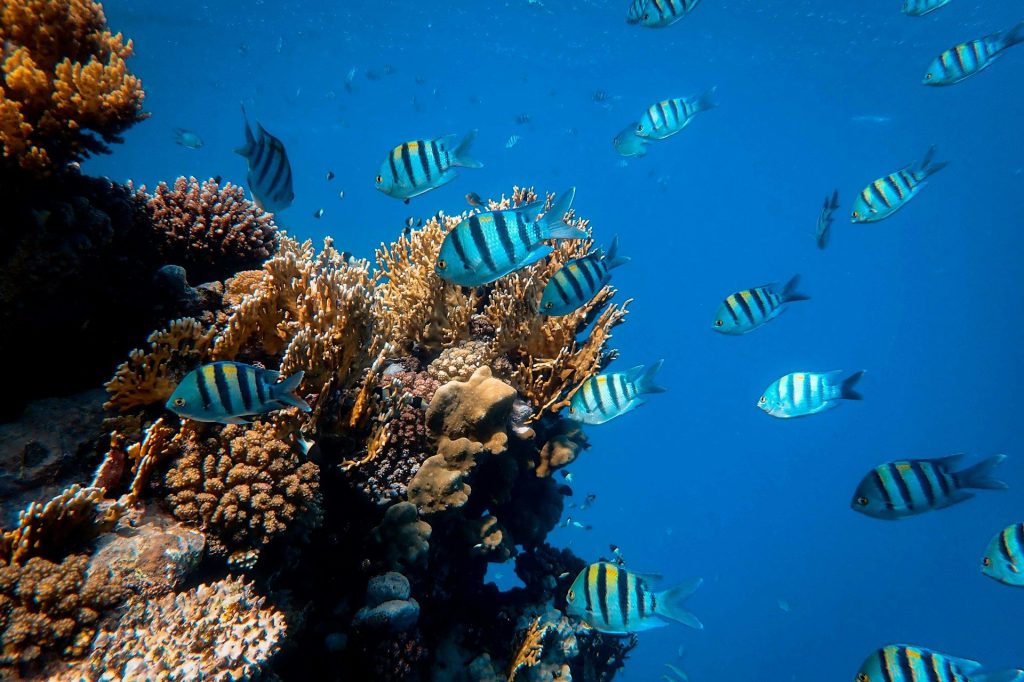
The Red Sea is a unique and stunning diving destination stretching between northeastern Africa and the Arabian Peninsula, bordering eight countries, among those Egypt, Jordan and Saudi Arabia. It is about 2,300 kilometers long and known for its crystal clear waters, vibrant reefs, and diverse marine life.
The sea hosts over 1,200 species of fish and more than 300 coral species, many found nowhere else in the world. Water temperatures range from 22°C in winter to 30°C in summer, offering warm waters for year-round diving.
The Red Sea is famous for its spectacular dive sites, including colorful coral gardens, historic wrecks, and encounters with sharks, dolphins, and turtles. With excellent visibility often exceeding 30 meters, it’s an ideal place for both beginners and experienced underwater explorers.
Scuba Diving Seasons in the Red Sea

While scuba diving is technically possible year-round in the Red Sea, there still are better and worse times to explore its fascinating underwater world. So, what are the best diving seasons in the Red Sea? To answer this question, we will not only bread won low season and high season, but also dive deeper into air temperatures, water temperatures and other factors you might want to keep in mind.
These are the scuba diving seasons in the Red Sea you need to by familiar with:
Low Season (Summer and Winter)
When planning to dive in the Red Sea, scuba divers tend to avoid the summer months from June to August due to extremely high temperatures. Daytime temperatures can soar well beyond the 40°C mark, barely dropping under the 30°C mark overnight. This makes outdoor activities somewhat strenuous to say the least.
This is not to say that diving in the Red Sea during the low season is a bad idea. In fact, the contrary is true. For one, the scorching temperatures ensure that you will encounter fewer tourists at dive sites along with lower prices for hotels and diving tours and courses. Also, the high temperatures drive in more marine life such as whale sharks (early summer) hammerhead sharks and nesting turtles.
During the summer months, water temperatures of up to 30°C forcing hammerhead sharks to move further North in the Red Sea, allowing divers to more easily spot them and even swim with them. The warm waters also mean that divers themselves have it quite cozy in the water, allowing divers to use shorties or normal swim wear only instead of a wet suit.
During the winter months, from November to February, you will experience the opposite effect when diving in the Red Sea. Air temperatures fall significantly hovering around the 20°C mark, while water temperatures also drop to a much colder 22°C. At the same time, there is a good chance of less windy conditions and better visibility during the winter months.
For scuba divers, diving in the Red Sea in winter means picking 7 mm+ wet suit or half-dry and dry suits for diving. Additionally, divers should consider bringing extra layers to warm up quickly after theirs dives. Luckily for you, though, water temperatures in the Red Sea rarely drop any lower, even at lower depths, thanks to ongoing volcanic activity in the Red Sea.
High Season (Spring and Autumn)
The first high season along the Red Sea occurs in the spring months from March to May, bringing moderately high air temperatures around the 30°C mark and comfortable water temperatures closer to 25°C. These moderate temperatures not only attract tourists into the Red Sea waters, but also increasing numbers of whale sharks in the northern sections of the Red Sea.
The second high season occurs between September and October, once again offering more moderate air temperatures and water temperatures. During the autumn months, you have a higher chance of spotting thresher sharks in both the northern and southern Red Sea. Additionally, the fall season is the ideal time for spotting manta rays in the southern sections of the Red Sea.
Both spring and autumn attract large numbers of diving tourists to the various dive sites along the shores of the Red Sea. So, while the temperatures might be ideal for scuba diving in the Red Sea with your regular wet suit, they also attract more tourist, driving up prices for accommodation, diving courses, diving safaris, Red Sea liveaboards and equipment rentals.
While tourist hot spots along the Red Sea and liveaboard trips soar in summer, there is still plenty of dive sites that are not overrun in high season. If you want to dive away from the masses during high season, we recommend heading to smaller diving destinations such as Dahab on the Sinai Peninsula and to prioritise shore dives, so you don’t have to pay the inflated rates for Red Sea liveaboards.
What are the Best Months to Dive in the Red Sea?

In a nutshell, spring and autumn offer the best overall conditions for diving in the Red Sea, making them by far the most popular times for tourists to go on diving trips. In contrast, summer and winter offer less optimal conditions, making them less attractive to the masses.
This being said, the Red Sea is great for scuba diving year-round with many of its conditions such as visibility, currents and tides staying relatively stable throughout the year. While it might be true that summer is extremely hot and winter is fairly cold after dives, scuba diving is totally enjoyable during these months, if you bring the right equipment.
For the perfect balance of all the factors described above, air temperatures, water temperatures, tourist masses, prices and marine life, we recommend diving in the Red Sea in late spring / early summer and late autumn /early winter. This means that the ideal time for diving in the Red Sea are the periods of May / June and October / November.
Where to Stay for Scuba Diving in the Red Sea
Not every dive site along the shores of the Red Sea is the same. In fact, your choice makes all the difference. So, before you book your diving ask yourself what you are planning to do and see.
Do you like to visit busy destinations or do you like to go off the beaten path? Are you planning to join liveaboard trips or do you prefer shore dives? Are is there any marine life in specific you are hoping to see on your trip? Your replies to the questions will make all the difference in where you end up going.
With this in mind, these are some of the best places to stay for scuba diving in the Red Sea:
Mainland Egypt (Hurghada & Marsa Alam)

The Egyptian Red Sea is a great diving destination for beginners and experts alike. It not only houses some amazing marine life in the most gorgeous reefs, but also boasts all the infrastructure you might need for a worry-free diving trip. Two of the most popular diving destinations in Mainland Egypt are the coastal tourist hub of Hurghada and Marsa Alam.
Both Hurghada and Marsa Alam are great places for exploring offshore reefs and ship wrecks, making them your best bet for joining liveaboard trips. Additionally, Hurghada is well known for its great chances to spot dolphins, sharks and even sea cows. Keep in mind though, the both places are also very touristic, resulting in larger crowds around popular dive sites in high season.
Dive Sites around Hurghada & Marsa Alam
Some of the best dive site in and around Hurghada and Marsa Alam include:
- Elphinstone Reef
- Daedalus Reef
- Fury Shoals
- Abu Nuhas
- Abu Dabbab Bay
What else is there to do in Mainland Egypt? Check out some bucket list activities in Egypt that you should combine with your diving vacation.
The Sinai Peninsula (Sharm El-Sheikh & Dahab)
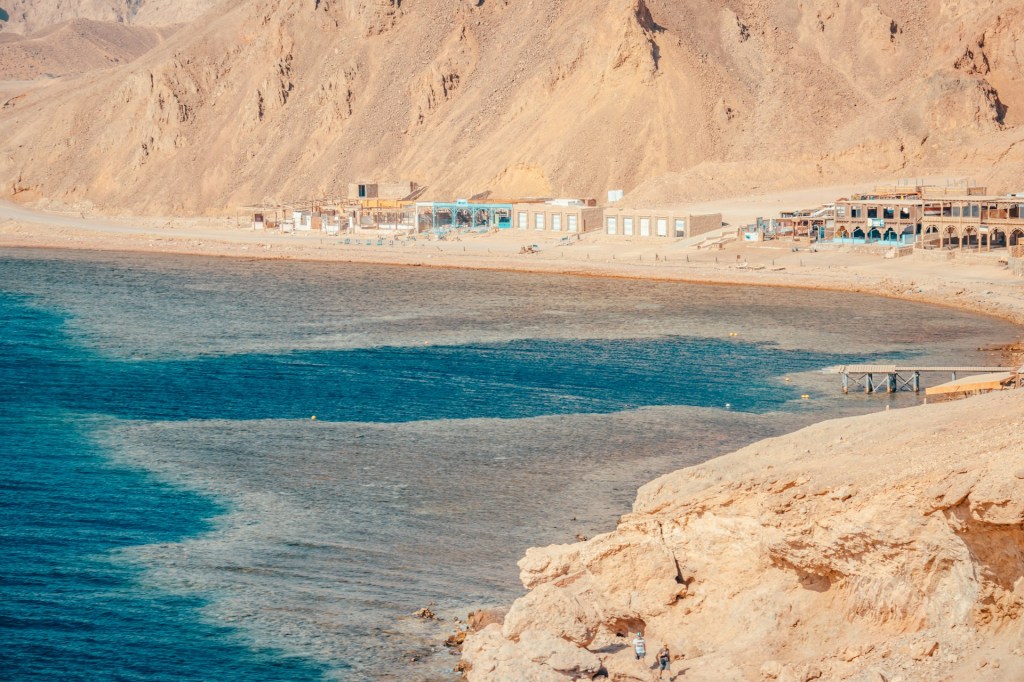
Leaving Mainland Egypt, we enter the Sinai Peninsula that offers even more great opportunities for diving in the Egyptian Red Sea. Two major diving hubs on the Sinai Peninsula are Sharm El-Sheikh and Dahab with both of the offers starkly different diving experiences. While Sharm El-Sheikh matches the vibes of Hurghada and Marsa Alam with great offshore reef, ship wrecks and liveaboards boat trips, Dahab does things a little different.
Instead of liveaboards, you will find abundant shore diving in Dahab, with some amazing dive sites such as Islands, Eel Garden, Ras Abu Galoum and the Blue Hole situated just a stone’s throw off the Red Sea coast. The latter, a massive submarine sinkhole, has reached worldwide fame and is considered by many as some sort of holy grail for scuba diving and free diving.
We prefer Dahab over Hurghada and the shore diving is not the only reason. Wanna know why? Check out our in-depth Dahab vs. Hurghada comparison.
Dive Sites around Sharm El-Sheikh & Dahab
Some of the best dives sites in and around Sharm El-Sheikh and Dahab include:
- Ras Mohammed National Park
- SS Thistlegorm
- Ras Abu Galoum
- The Blue Hole
- The Islands Dive Site
What else is there to do on the Sinai Peninsula? These are 10+ activities you shouldn’t miss out on when visiting the Sinai.
Jordan (Aqaba)
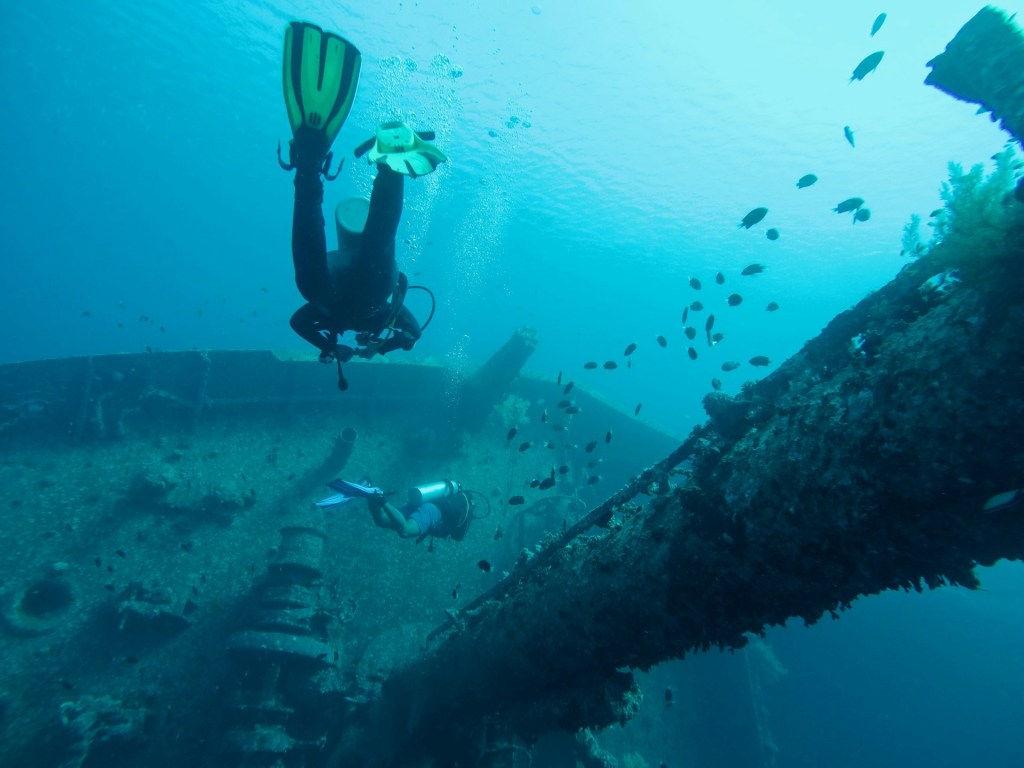
Just one the other side of the fittingly named Gulf of Aqaba you can find the Jordanian port city of Aqaba. This city is not only Jordan’s only access to the season, but also somewhat of a hidden gem when it comes to Red Sea diving. The coast of Aqaba is home to multiple ship and aircraft wrecks and a collection of outstanding fringing reefs.
Dive Sites around Aqaba
Some of the best dives sites in and around Aqaba include:
- Cedar Pride
- Underwater Military Museum
- Japanese Gardens
- Seven Sisters
- King Abdullah Reef
Saudi Arabia (Yanbu & Jeddah)
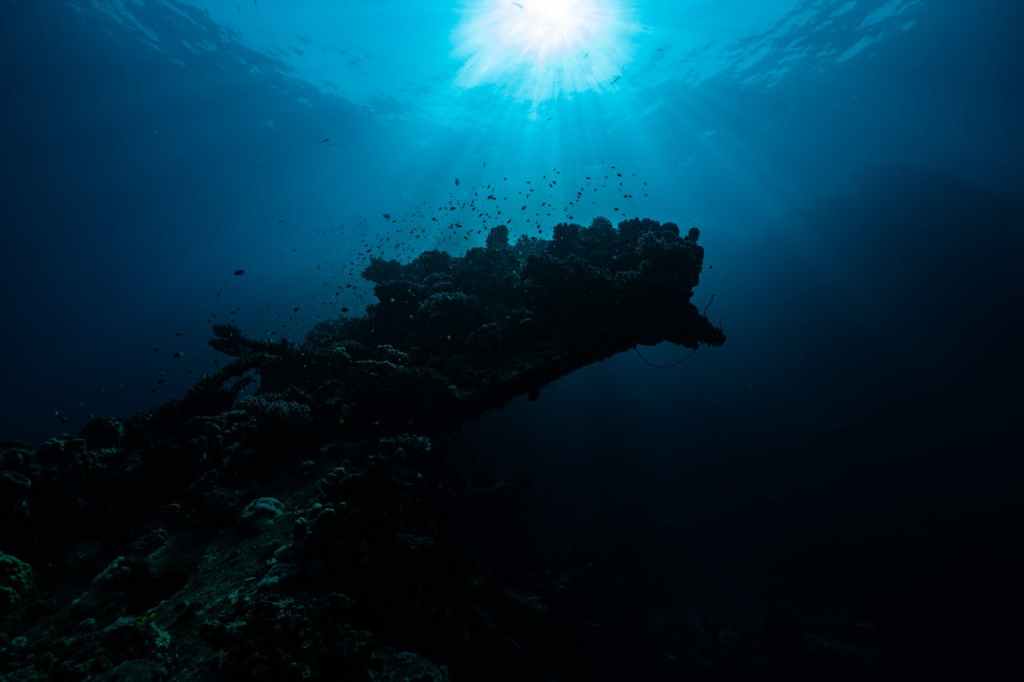
Talking about hidden gems, one cannot ignore the rising scuba diving scene of Saudi Arabia. While most tourists flock to the western shore of the Red Sea, its eastern shore also teems with reefs and marine life. Some of the best dive sites are located in Northern Saudi Arabia such Yanbu as well as further south around Jeddah. Saudi Arabia’s dive sites are known for their wreck diving and seasonal shark sightings.
Dive Sites around Yanbu & Jeddah
Some of the best dive sites in and around Yanbu and Jeddah include:
- Hanak
- IONA Shipwreck
- Cable Wreck
- Farasan Banks
- Al-Lith
The Bottom Line
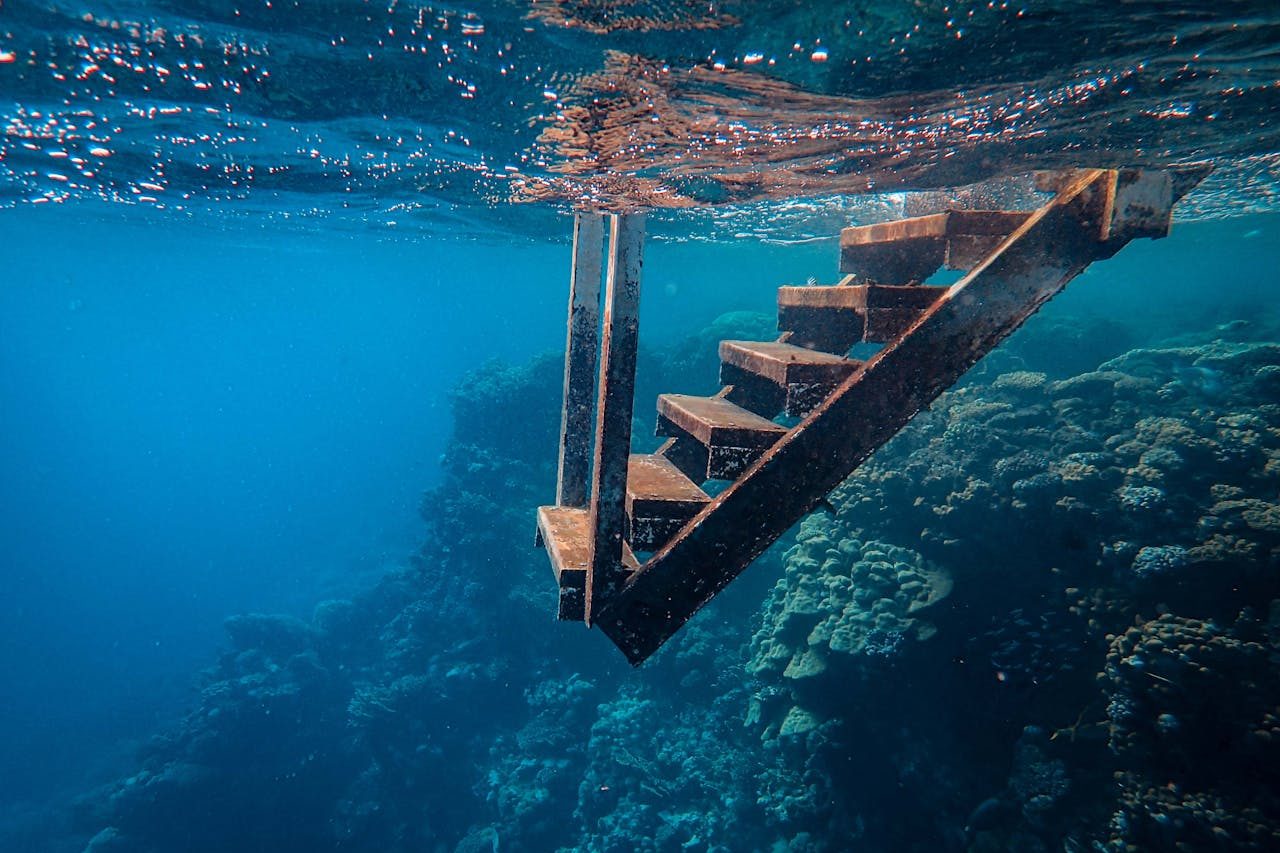
Scuba diving in the Red Sea is great year-round, but it is absolutely worth it to put some thought into when exactly to dive in the Red Sea. From tourist masses and extreme summer heat to the migrations of specific marine life, planning your diving trip while considering the scuba diving seasons of the Red Sea ensures that you will have a great experience.
Frequently Asked Questions
What are the best months to dive Red Sea?
When planning a diving trip to the Red Sea, you can expect the best conditions in spring and autumn and less optimal conditions in summer and winter. All season are suitable for scuba diving in the Red Sea, however.
What is the 120 rule in diving?
The so-called 120 rule is a central rule in diving that helps divers calculate safe diving perimeters. According to the 120 rule, the sum of the maximum depth of your dive and the bottom time should not exceed 120. Important: The depths in taken in feet for this formula.
When to see sharks in the Red Sea?
The Red Sea is home to various species of sharks that you can sight year-round. While some sharks sightings are bound to very specific areas, other sharks are known to move around more. Hammerhead sharks, for example, are known to migrate north during summer, allowing divers to spot them in the northern Red Sea.
What time of year is shark season in Egypt?
If you want to swim with sharks in Egypt, the summer months from June to August are your best bet. During those months sharks tend to move to areas of the Red Sea, while later on in the year, you’d have better chances of spotting them in Sudan or Southern Saudi Arabia.



 waditribe.com