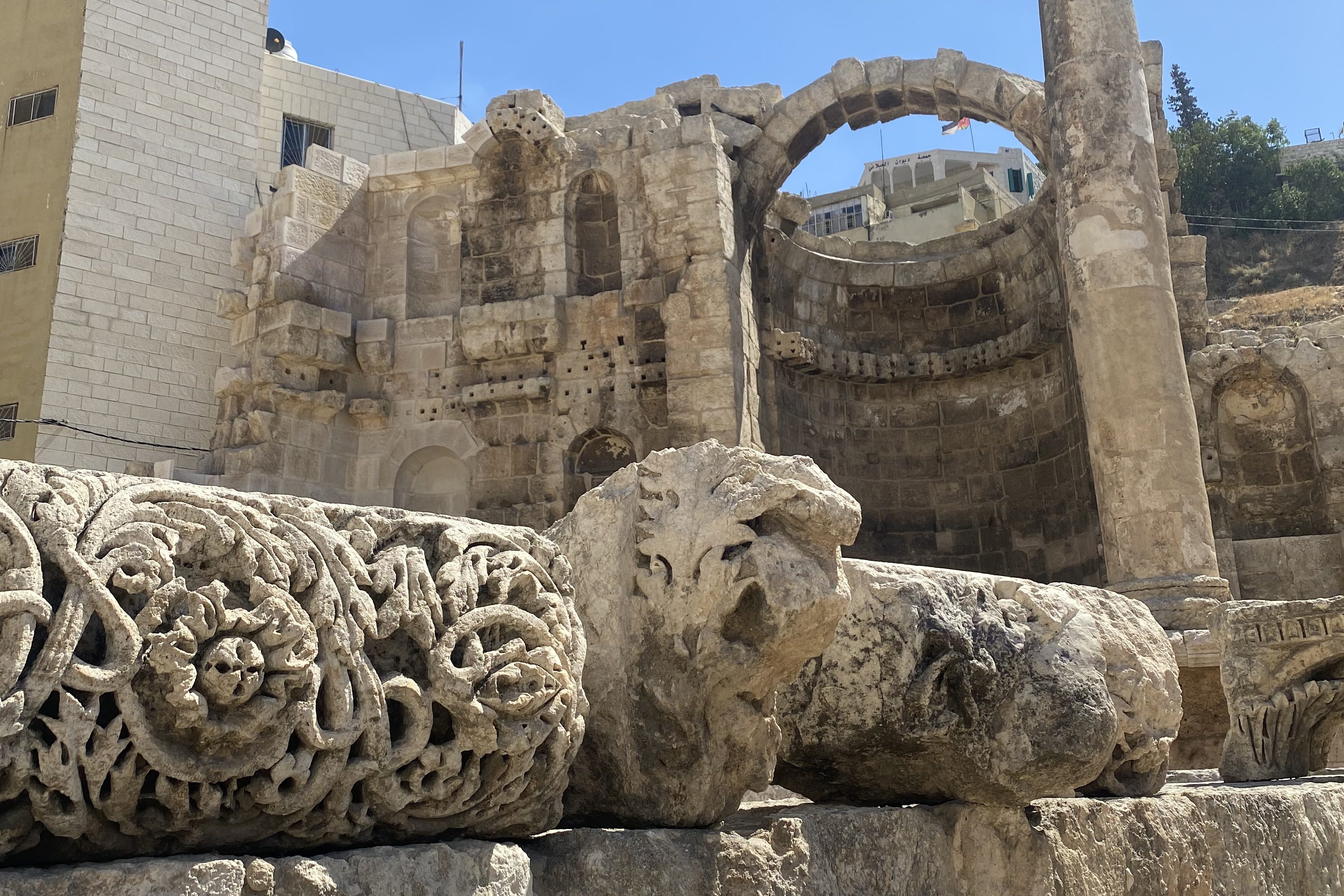
Contrary to the popular belief that Jordan is a hot desert country, the country’s climate is actually quite diverse and to be taken into account when planning your Jordan trip.

Located in the heart of the Middle East, Jordan has a predominantly arid desert climate, with large parts of the country being either arid or semi-arid. The climate is characterised by hot, dry summers and cold, mostly dry winters with occasional rain.
In this article, we will tell you everything you need to know about Jordan’s climate to plan your trip adequately.
Key Takeaways
- The best times to visit Jordan for pleasant weather and outdoor activities are spring (March to May) and fall (September to November).
- Summer (May to October) is hot and dry, with the hottest month being August; plan to visit in May or October to avoid extreme heat and pack sun protection.
- Winter (November to April) is colder and wetter, especially in the north and highlands; pack warm clothes and be prepared for possible flash flooding in the Jordan Valley.
- Budget travelers should consider visiting in summer or winter low seasons for lower prices and fewer crowds but be ready for extreme weather and flexible plans.
- Key Takeaways
- The Hottest Months in Jordan (May to October)
- The Coldest Months in Jordan (November to April)
- The Best Time to Visit Jordan for Comfortable Temperatures
- The Best Time to Visit the Wadi Rum Desert, Jordan
- A Comment on Visiting Jordan During Ramadan and Eid al-Fitr
- More Dates to Watch in Jordan
- The Bottom Line
- Frequently Asked Questions
The Hottest Months in Jordan (May to October)

Summer in Jordan is mostly hot and dry. The summer months are dominated by hot temperatures of up to 39°C. Due to climate change, average temperatures in summer could reach up to 43°C by 2050. Throughout the summer months, minimal amounts of rainfall are recorded.
The summer climate in Jordan varies depending on where you are in the country. The Southwest of the country including places such as the Jordan Valley (Dead Sea and Petra) and the mostly uninhabited Eastern Desert are considered the hottest places in Jordan. The North and the Central Highlands are comparatively cooler.
If you are planning to visit Jordan in the summer months, we recommend coming in May or October, to avoid the brunt of the summer heat. If you visit Jordan in June, July or August, you are likely to experience intense heat, with August usually marking the hottest month of the year. Remember to pack, sunscreen, a hat and long, light clothing to protect your skin from the sun.
The Coldest Months in Jordan (November to April)

Winter in Jordan is mostly cold and dry. It is, however, considerably wetter than the summer months. The winter months are dominated by colder temperatures regularly dropping below freezing in the North and the Central Highlands. Throughout the winter months, more rainfall is recorded.
The winter climate in Jordan also varies depending on where you are in the country. While the North and the Central Highlands experience the coldest temperatures, the Jordan Valley (Dead Sea and Petra) and the southern port city of Aqaba (Red Sea) experience much milder temperatures, with the average daytime temperatures of 19-22°C.
Precipitation is highest from December to March, with the highest average rainfall occurring in January, causing occasional flash flooding around tourist sites such as Petra and Wadi Rum.
Most tourists visit Jordan in fall (October and November) and spring (March and April) due to the cooler temperatures. The remaining months (December to February) are considered the winter season, with the coldest temperatures hitting in January. If you are planning to visit Jordan in winter, remember to pack warm clothes.
The Best Time to Visit Jordan for Comfortable Temperatures

If your priority is to have the most pleasant weather during your Jordan trip, there is two seasons you can choose: spring and fall.
Travel to Jordan from March to May for pleasant, sunny conditions on the shores of the Dead Sea and the Red Sea, without getting caught in the brunt of the summer heat.
During the spring months, you will also experience the best conditions for outdoor activities such as hiking and rock climbing with lots of opportunities to see wildflowers in bloom. On May 25, you will also have the chance to witness the Jordanian Independence Day.
Travel to Jordan from September to November for cooler, yet sunny, weather and occasional rain fall. These temperatures are perfect for exploring cities such as Amman and Jerash and larger archaeological sites such as Petra, making it peak season for tourists. Do remember to pack a rain jacket, however.
The Best Time to Visit Jordan for Budget Travelers
If you are on a budget, you want to visit Jordan during shoulder season or low season: summer and winter.
If you want to strike a balance between favourable conditions and lower prices as, you should aim for late February or early June as well as late August and early December. During these periods, you are still close enough to the good seasons of spring and fall, while avoiding the bulk of the tourists.
For the lowest prices, you may choose to travel to Jordan during the winter chill in late December, January and early February. In this case, it is crucial to bring winter clothes and to check for flash flooding before embarking on outdoor activities.
Similarly, you may choose to visit Jordan during the dry heat of summer in late June, July and early August. During this period, you will be exposed to high temperatures, with outdoor acitvites being uncomfortably hot. Make sure to start outdoor activities early morning and avoid being in the sun too long.
The Best Time to Visit the Wadi Rum Desert, Jordan

The Wadi Rum desert in Southern Jordan is a bit of a special case when it comes to the best time to visit. Generally, it follows the climatic trends of the Jordan Valley, Aqaba and the Eastern Desert. This means hot, dry summers and cold, wet winters. Contrarily, average annual precipitation in the Wadi Rum desert does not reach the levels of the Jordan Valley.
This means that, in spite of occasional rainfall, the Wadi Rum desert is also good to visit all throughout the winter months. Adding to this, you will find the clearest night skies in Wadi Rum during the winter months, making Wadi Rum a great destination for a winter trip. The best months to visit Wadi Rum are from October to April, with no break in winter.
This does not mean, however, that the Wadi Rum desert does not get cold in winter. During the winter months, temperatures in the Wadi Rum desert regularly drop below freezing. So, make sure to pack warm clothing, if you are heading out the desert in winter.
To learn more about the best time to visit Wadi Rum, feel free to check out our in-depth guide on Wadi Rum’s climate.
A Comment on Visiting Jordan During Ramadan and Eid al-Fitr
As with every Muslim-majority country, Jordan’s rhythm of life is dictated by Muslim customs and traditions. While tourists are mostly untouched by there, unless they actually want to learn about them, the yearly fasting month of Ramadan may also impact your Jordan trip.
Ramadan, the ninth month of the Muslim calendar, commemorates the revelation of the Qur’an to the Prophet Mohammed. This is done primarily by fasting all food and drink from dawn to sunset. Consequently, public life in Jordan slows down a little during this period.
This means that, if you visit Jordan during Ramadan, you will find less food options throughout the day, but a much more active food scene at night. At the end of Ramadan, the celebration of Eid al-Fitr will bring lots of festivities and a surge in domestic tourism. We recommend adapting to this rhythm to make the most of your experience in Jordan.
Because the fasting month is calculated on the basis of the Muslim calendar, it moves backwards when displayed on the Gregorian calendar. Every year, Ramadan will begin some ten days earlier than the year before. This year, Ramadan will begin in late February. In the coming years, it will begin earlier in the winter months. Take this into account when planning your winter trip to Jordan.
More Dates to Watch in Jordan
Are you planning your Jordan itinerary? You may want to keep in mind some of the following cultural events when making your travel plans:
- February 2026: Azraq Festival
- February 2026: Aqaba Traditional Arts Festival
- February-March 2026: Ramadan (Muslim Fasting month)
- 25th May 2026: Jordanian Independence Day
- August 2026: Jerash Festival
- August 2026: Amman Jordan Coffee Festival
The Bottom Line

While summers in Jordan are generally hot and dry, in winter Jordan gets a lot colder and wetter – even the desert. Accordingly, spring and fall are considered high season with the most favourable conditions for sightseeing and outdoor activities.
Budgets travellers looking for a deal may favour summer and winter, low season. During this time, less tourists visit Jordan causing prices for hotels and activities to drop. You are, however, more exposed to extreme weather events such as heat waves and flash flooding during those periods.
Whether you come to Jordan in spring, summer, fall or winter, Jordan is guaranteed to leave a lasting impression on you. Just make sure to packing accordingly for the season and nothing can go wrong.
Frequently Asked Questions
Which month is best to visit Jordan?
The time periods of March to May and September to November are generally considered to be the best times to visit Jordan. The are characterised by milder temperatures in the cities the highlands and hot, yet bearable temperatures in the Jordan Valley, the Dead Sea coast, the Red Sea and Wadi Rum.
What is the best time of year to visit Petra?
The best time of the year to visit Petra are the spring months from March to May. During spring, the Petra region experiences comfortable temperatures and low rainfall, which is perfect for long walks in the arid terrain.
Is it safe for Americans to travel to Jordan right now?
Yes, it is safe for Americans to travel to Jordan right now. Jordan is considered the safest country of the Middle East as it is largely unaffected by regional conflicts and stable internally. Jordanians are known to be welcoming to tourists regardless of their nationality.
Is Jordan cheap or expensive?
Depending on the season and your itinerary, Jordan can be both cheap and expensive. Beach resorts on the Dead Sea coast and the Red Sea can be quite costly in high seasons, while ohter sites are very affordable for budget travelers during low season.

Hey! We are glad you are curious about travelling the Middle East.
We are Nancy & Elias.
Over four years of backpacking and digital nomading made us fall in love with the Middle East. We have lived on the Red Sea coast in Egypt, lived in a Bedouin Camp in Jordan and travelled 6+ Middle Eastern countries overland.
As we continue to travel, we share our battle-tested travel advice on this blog, from travel reports and transfer guides to accommodation recs and saving hacks.