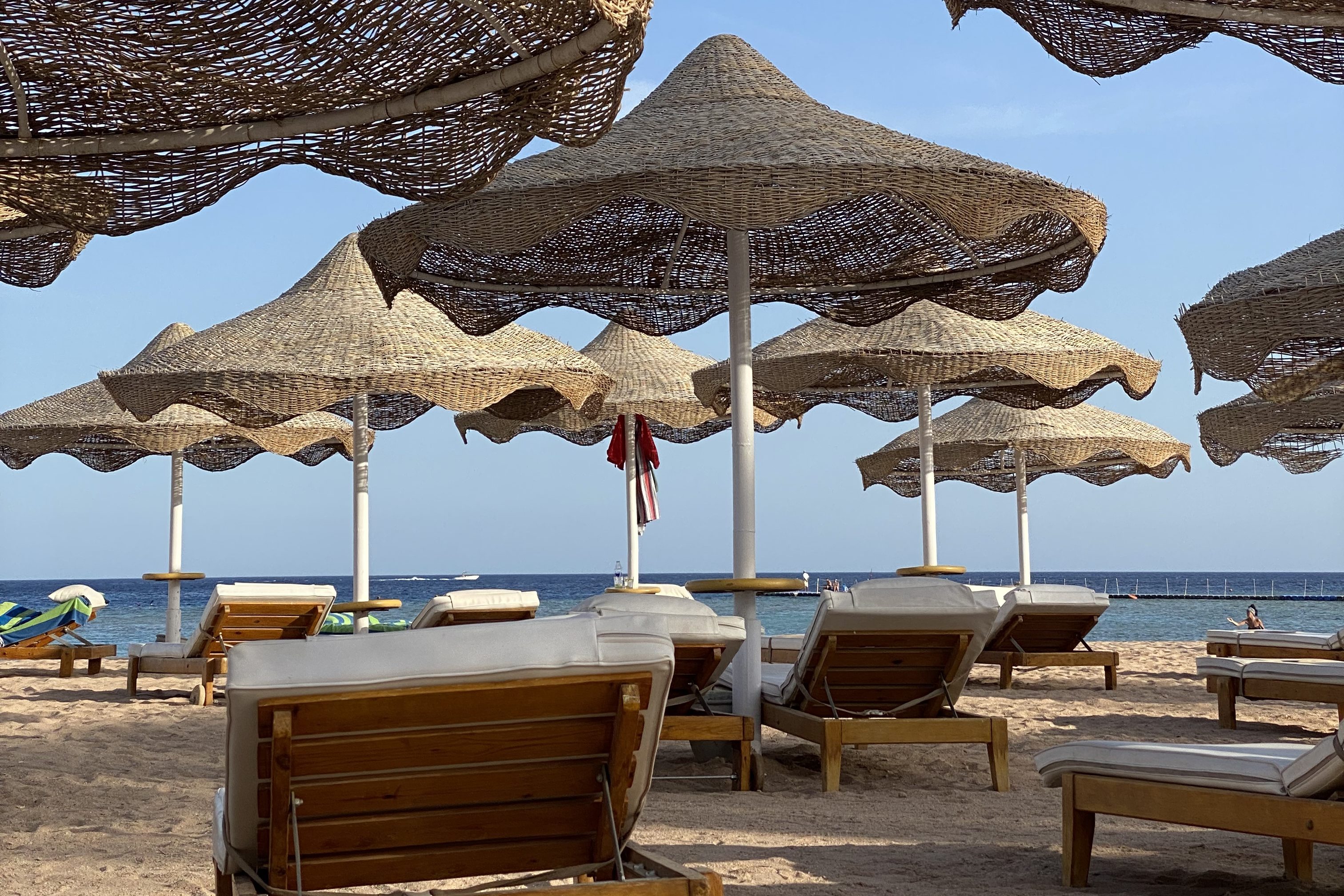
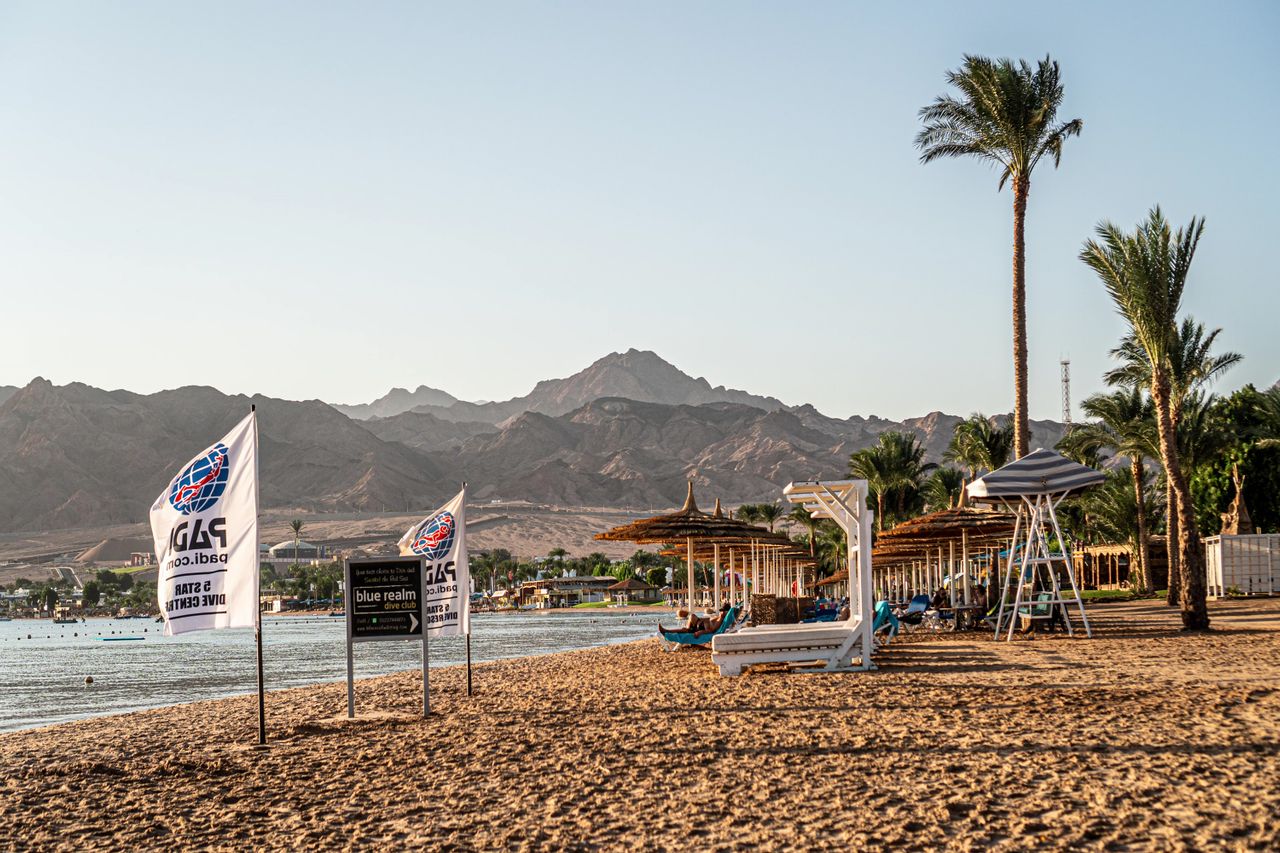
Diving in the Red Sea is a great idea. There is little doubt about that. No matter which tier list you read, you will find consistently find the Red Sea ranked at least in the Top 5 of the best scuba diving destinations in the world.

If you are planning to head out to the Red Sea this summer, this guide is for you. Today, we will break down everything you need to know about scuba diving in the Red Sea, from the best diving times and the best destinations to the best single dives and recommended dive resorts.
Along the way, we will provide valuable advice for both beginners and advanced divers. So, stick around, there’s something for you, too.
Key Takeaways
- You can dive in the Red Sea all year, but the best times are spring and fall when water and air temperatures are comfortable and marine life is most active. Keep in mind these seasons are also the busiest.
- When choosing where to dive, consider top destinations like Sharm El-Sheikh, Hurghada, Dahab, and Marsa Alam, each offering unique dive experiences suited to different skill levels and preferences.
- Make sure to visit famous dive sites such as Shark & Yolanda Reef, the Blue Hole, Elphinstone Reef, Daedalus Reef, and Big Brother Island to encounter diverse marine life and stunning underwater landscapes.
- Select dive resorts close to your preferred dive spots to maximize your time underwater; options like Camel Dive Club in Sharm El-Sheikh, The Breakers in Hurghada, and Dahab Divers provide great facilities for independent travelers.
Table of Contents
The 4 Best Red Sea Dive Resorts for Scuba Diving Trips
There are plenty of excellent dive center along the Red Sea coast that are worth your stay this summer. Over the course of this article, we will introduce you to eight of them. But for starters, here are four of the best dive resorts in the Red Sea region:
| Sharm El-Sheikh | Camel Dive Club | starting from $ 100 per night | Click here for availability & rates. |
| Hurghada | The Breakers Diving and Surfing Lodge | starting from $ 86 per night | Click here for availability & rates. |
| Dahab | Dahab Divers | starting from $ 43 per night | Click here for availability & rates. |
| Marsa Alam | Marsa Shagra Village | starting from $ 181 per night | Click here for availability & rates. |
Keep reading to find out where the other four leading Red Sea dive resorts are located. Spoiler: Only one more is located in Egypt.
A Quick Introduction to the Red Sea Scuba Diving Scene

The Red Sea is a diving region located between Africa and the Middle East, stretching all the way from the Bab Al-Mandeb Strait to the Gulf of Aqaba and the Gulf of Suez. It is known for its clear waters with visibility often exceeding 30 meters. It hosts abundant marine life with over 1,200 fish species and 300 types of coral, many of which are endemic.
Water temperatures range from about 20°C in winter to over 30°C in summer, allowing year-round diving with varying wetsuit requirements. Diving costs are generally affordable, with liveaboards averaging around $150 per night, coming in much cheaper than in other parts of the world.
Popular diving destinations include Sharm El-Sheikh, Hurghada, and Dahab in Egypt, as well as Port Sudan and Jeddah. Each area offers a range of dive sites from shallow reefs and shore dive to deep wrecks and multi-day liveaboards, suited to divers of all levels.
When is the Best Time for Diving in the Red Sea?
From a scuba diver’s perspective, the Red Sea is about as evergreen as it gets. While conditions do change according to the season, these variations can be managed by adjusting your scuba diving gear, making the Red Sea accessible year-round.
However, there are some seasonal changes that you want to consider when planning your scuba diving trip to the Red Sea:
- Winter: The winter months are the weakest in the Red Sea. This is mostly due to water temperatures dropping down to around 22°C, requiring adjustments to your diving gear. During this time, wind speeds and visibility remain favourable and marine life such as manta rays and dolphins is more frequent.
- Summer: Conversely, it is the air temperatures in summer that drive away divers from the Red Sea. With regular peak beyond 40°C, the summer months on the Red Sea can be intense. The water temperatures, on the other hand, hover around a cozy 30°C and larger marine life is very active thanks to algae blooming.
- Spring & Fall: Finally, spring and fall pull the most divers to the Red Sea for a simple reason: The two seasons combine excellent air temperatures with excellent water temperatures of 24°C to 28°C. In spring, you can already observe more marine life activity, while fall usually brings the most activity in the underwater world.
There is just one downside. Spring and autumn are not only busy in marine life, but also in tourism. So, be prepared to spend more money and be surrounded by more divers when visiting in peak season.
Curious about Red Sea diving season? We already did a deep dive into the Red Sea’s climate and scuba diving conditions in a separate article. Check it out!
The Red Sea’s Leading Diving Destinations
With its abundance of marine life and colorful reefs, the Red Sea makes a great destination for any scuba diving trip. But where exactly should you go?
After all, eight countries border the Red Sea, with most of them featuring incredible dive sites, you do not want to miss. We scouted to best diving destination on the Red Sea, so you don’t have to:
Sharm El-Sheikh (Egypt)

Sharm El-Sheikh is located close to the southern tip of the Egyptian Sinai Peninsula and is best know for its thriving resort vacation scene. But little do many visitors know that Sharm El-Sheikh is also a treasure trove of dive sites, featuring some of the best sites in the world.
Stretching from the Straits of Tiran in the North to the Ras Mohamed National Park in the South, Sharm El-Sheikh features several world class dive sites, among them Shark Reef, Yolanda Reef, Jackson Reef and the SS Thistlegorm, a thrilling wreck dive at the mouth of the Gulf of Suez.
Curious about scuba diving in Sharm El-Sheikh? Luckily for you, we just released the quintessential guide to diving Sharm El-Sheikh. Read it in 5 minutes and know everything you need to book your trip.
Hurghada (Egypt)

Trailing just behind Sharm El-Sheikh, Hurghada is yet another prime destination for scuba diving on the Egyptian Red Sea coast. While Sharm El-Sheikh is located on the Sinai Peninsula though, Hurghada lays right on the coast of the Egyptian mainland.
In and around Hurghada, you will find plenty of enticing boat dives and liveaboard trips to popular dive sites such as Giftun Island, Abu Ramada Island and Shaab El Erg. The latter is well-known for dolphin sightings, so don’t skip it even though it’s a bit further away. At Abu Nuhas you will find the so-called ship graveyard, a wreck dive with not one, not two, not three, but four historic wrecks.
Less diving, more snorkelling? If you are planning to keep your diving plans on the calmer end this year, check out these snorkelling sites around Hurghada that will still blow your mind.
Dahab (Egypt)

Contrary to the other leading Egyptian destinations, Dahab is neither big on resort tourism, nor much into boat dives and drift dives. Dahab is a small Bedouin town north of Sharm El-Sheikh that has steadily grown into a Makkah for free spirits and free divers over the last decades.
In Dahab, you can find tons of accessible shore diving sites from Gabr El-Bint and the Islands Dive Site in the south to the infamous Blue Hole and Ras Abu Galoum in the north. The Blue Hole’s Arch is considered one of the region’s, if not the world’s, best technical dives by many scuba divers.
We have had the chance to check out many of Dahab’s snorkelling sites over the last years. These are the snorkelling sites in Dahab you cannot miss.
Port Sudan (Sudan)

It will not come as a surprise to you that the Sudan diving scene has been struck severly by the civil war that is raging on in the country. Still though, Port Sudan remains a prime scuba diving destination, especially when it comes to wall dives and liveaboard trips – with almost no crowds.
At Port Sudan you can find pristine reefs and a healthy marine life population with frequent pelagic encounters. If you are looking for reef sharks or hammerhead sharks, you’ll have good chances of finding them at the Sha’ab Rumi Dive Site. Close to Port Sudan, you can also dive at the Red Sea’s only atoll, the Sanganeb Atoll, and explore the Umbria wreck. Port Sudan is best for advanced divers.
Marsa Alam (Egypt)

In many ways, Marsa Alam is the dark horse of the Egyptian scuba diving scene. Located much further south than Hurghada, Marsa Alam is still accessible via direct flight from Europe, while having significantly smaller crowds.
Marsa Alam offers a mix of protected shore dives suitable for snorkelers and beginners, such as Abu Dabbab and Marsa Mubarak, and boat dives to Elphinstone Reef, Fury Shoals and Daedalus Reef. Thanks to the smaller crowds, these sites not only host healthier coral reefs, but also an active marine life with frequent sightings of sharks (incl. whale sharks), dolphins, dugongs and turtles.
Aqaba (Jordan)

Aqaba might only have a few dozens of kilometers of Red Sea coastline to its name, but sure packs a punch when it comes to scuba-diveability. Similarly to Dahab, Aqaba is almost exclusively shore diving with some wreck diving mixed in there, which should not be surprising considering their similar locations.
In Aqaba, you can find well-preserved natural coral gardens at Japanese Garden and Seven Sisters with a number of deliberately submerged wrecks mixed in between. The wrecks of the Cedar Pride, the Hercules Airplane and a tank make for easy wreck dives for beginners. As for marine life, the Aqaba Marine Park mostly records green turtles and various types of macro life, but barely any sharks.
El Quseir (Egypt)

This one might just be Egypt’s least known diving spot. Located 67 kilometres off the coast of El Quseir, the Brothers Islands practically lay in the dead center of the Red Sea, only accessible as part of a liveaboard trip.
They consist of two fittingly names islands, Big Brother Island and Little Brother Island, and host a combination of vibrant reefs and bustling marine life. Frequent sightings include reef sharks, hammerhead sharks and oceanic whitetips, just to name a few. Additionally, there are some famous ships wrecks along its slopes, among it the Numidia wreck and the Aida.
Jeddah (Saudi Arabia)

After paying visits to Egypt, Sudan and Jordan, we are including one last Red Sea country on this list in the form of Saudi Arabia. While Saudi Arabia might not be the first name to come to mind, when discussing diving in the Red Sea, coastal cities like Jeddah and Yanbu do have some class scuba diving to offer.
While Saudi Arabia is less developed in terms of scuba diving, this might also work in your favour as you can find few other divers and beautiful reefs that are practically untouched. In the Jeddah area, you can find some great opportunities for boat dives and wall dives, while Yanbu just north of Jeddah is best for shore diving and drift dives.
5 Dive Sites in the Red Sea You Cannot Miss
Divided amongst these popular diving destinations in the Red Sea, you can find 100s of incredible dive sites. But, of course, some are more popular than others. Often times, these dive sites are more important in decing where to go than the destinations themselves.
So, these are five dive sites in the Red Sea that you simply cannot miss:
- Shark Reef & Yolanda Reef: Located in Ras Mohamed National Park just south of Sharm El-Sheikh, this dive is cosidered one of the best dive sites of the world. This drift dive for advanced divers that impresses with its dramatic walls, huge schools of fish and the Jolanda ship wreck mixed in there.
- The Blue Hole in Dahab: There are many Red Sea dives that attract international attention, but none quite like the Blue Hole in Dahab. Located just north of Dahab, this natural underwater sinkhole plunges down 100 meters just off the Red Sea coast. Without a doubt, it makes for unforgettable diving.
- Elphinstone Reef: In the south of Egypt, the Elphinstone Reef of Marsa Alam makes for one of the most rewarding boat dives of the Red Sea. Thanks to its central location in the Red Sea, Elphinstone Reef is great for encounters with reef sharks, hammerhead sharks and oceanic whitetips.
- Daedalus Reef: Talking about hammerhead sharks, Daedalus Reef is yet another prime location for shark encounters in the Red Sea. And the best part? You can easily pair Elphinstone Reef and Daedalus Reef as part of a multi-day liveaboard.
- Big Brother Island: If there is one dive site in the Red Sea that outshines its destination more than any other, it is Big Brother Island located in front of El Quseir. Offering a combination of pelagic encounters and iconic wrecks, this Red Sea dive is a must for any experienced scuba diver.
Beyond Diving: 5 More Most-Do Activities Around the Red Sea

Even a scuba diving trip cannot be all scuba diving. If for rest in-between dives or after finishing a multi-day boat trip, you will want to step on solid ground at some point. We used our time to source some of the best on-land activities that are just a few hours away from the Red Sea’s most iconic dive sites.
These are the best activities along the Red Sea coast that you can easily do as a day trip:
- The Pyramids of Giza & Cairo:The iconic Pyramids of Giza are not only the last remaining wonders of the Ancient world, but also accessible on day trips from Sharm El-Sheikh and Hurghada. Use your day in Cairo to visit the newly-inaugurated Grand Egyptian Museum (GEM) as well.
- The Valley of Kings & Luxor: In Hurghada, you are only four hours away from Luxor, formerly known as Thebes. There, you can visit the Luxor and Karnak Temples and the Valley of the Kings where King Tutankhamen was buried thousands of years ago.
- The Lost City of Petra: From the marine gardens of Aqaba, you can get to one of the wonders of the Modern world within just two hours. Often called the Rose City, Petra is an ancient Nabataean city that was entire cut into the sandstone surface of the Petra mountains.
- The Wadi Rum Desert: Even closer to Aqaba, the Wadi Rum Desert is just a mere hour away from your Red Sea dive resort. There, you can get a real taste of Bedouin culture, explore the secrets of the Wadi Rum Desert on a jeep tour and try Bedouin food such as Zarb and Mansaf.
- The St. Catherine’s Monastery & Mount Sinai: Located in the Sinai highlands, St. Catherine’s Monastery and Mount Sinai are accessible by bus from Dahab. Join a night tour to the peak of Mount Sinai to witness the stunning sunrise of the Sinai mountains.
Where to Stay on Your Red Sea Diving Trip
Owing to the fact that many of Red Sea’s most popular diving destinations are also resort holiday destinations, finding a diving hotel can be difficult at times. Luckily for you, we did the hard work already.
Here are the best dive resorts along the Red Sea by destination:
- Sharm El-Sheikh: Made specifically for scuba divers, Camel Dive Club in Naama Bay is the ideal base of operations for your scuba diving trip to Sharm El-Sheikh. In Naama Bay you are close to both the Straits of Tiran and Ras Mohamed National Park.
- Hurghada: The Breakers Diving and Surfing Lodge is located in Soma Bay, Hurghada, putting right in front of popular dive sites such as Abu Soma Garden, Tobia Arba and the Salem Express Reef as well as all of Hurghada’s boat dives.
- Dahab: Several leading dive centers in Dahab offer accommodation along with their scuba diving courses and tours, as it is the case with Dahab Divers. Known for their competent staff and high-quality equipment, they are a go-to for those scuba diving in the Blue Hole.
- Port Sudan: We’d love to give our recommendations for dive centers in Port Sudan, but due to international sanctions, online bookings for hotels in Sudan are basically impossible. What remains for us is to hope the Sudanese Civil War to end soon, for the sake of the Sudanese people.
- Marsa Alam: In Marsa Alam, the so-called Marsa Shagra Village combines an eco-village on the sandy Red Sea coast with a world-class PADI-certified dive center. Plus, all your meals come included in the room fare, meaning you can focus fully on scuba diving.
- Aqaba: The Aqaba Adventure Divers Resort & Dive Center is less than a kilometre away from Aqaba’s most popular dive sites including Japanese Garden the Cedar Pride wreck. In other words, you are just five minutes away from all off Aqaba’s best dives.
- El-Quseir: The Mangrove Bay Resort is a secluded stay some 15 kilometres to the south of El-Quseir. Albeit a bit rustic, this dive resort is a great stay for divers. Not only does it have its own house reef, but also a high-quality dive center for boat trips in the region.
- Jeddah: At Narcissus Obhur Resort & Spa you get exactly the sort of luxury stay that you would expect from Saudi Arabia. The resort hotel is located right on Saudi Arabia’s Red Sea coast and offers convenient pick-ups for boat trips from its own private marina.
| Sharm El-Sheikh | Camel Dive Club | starting from $ 100 per night | Click here for availability & rates. |
| Hurghada | The Breakers Diving and Surfing Lodge | starting from $ 86 per night | Click here for availability & rates. |
| Dahab | Dahab Divers | starting from $ 43 per night | Click here for availability & rates. |
| Marsa Alam | Marsa Shagra Village | starting from $ 181 per night | Click here for availability & rates. |
| Aqaba | Aqaba Adventure Divers Resort & Dive Center | starting from $ 48 per night | Click here for availability & rates. |
| El-Quseir | Mangrove Bay Resort | starting from $ 62 per night | Click here for availability & rates. |
| Jeddah | Narcissus Obhur Resort & Spa | starting from $ 453 per night | Click here for availability & rates. |
The Bottom Line
The Red Sea is one of the world’s leading scuba diving destinations and, as you will have found out by now, with good reason. Whether you are looking for beginner-friendly shore diving, breathtaking shore diving or multi-day boat trips with shark sightings, along the Red Sea coast you can have it all.
We are confident that with our advice you will not only find the right destination for your summer adventure on the Red Sea, but also the right dives to stitch your perfect scuba diving itinerary. Good luck!
Frequently Asked Questions
Is Red Sea good for diving?
Yes, the Red Sea is great for scuba diving. Thanks to its favourable climate, the Red Sea is suitable for diving all year round. Some of the best diving destinations are located in Egypt, others are in Jordan, Saudi-Arabia and Sudan. Dives vary greatly from accessible shore dives to multi-day liveaboards.
Is the Red Sea safe for diving?
Yes, diving in the Red Sea is generally safe. The waters of the Red Sea offer great visibility and diving conditions are favourable for most of the year. More importantly, though, you should choose a certified provider for your courses and tours to get access to responsible staff and well-maintained equipment.
Is Red Sea diving safe for a beginner?
Yes, the Red Sea offers several great destinations with accessible shore dives for beginners. In the Northern Red Sea, Dahab (Egypt) and Aqaba (Jordan) offer the best shore dives for beginners and even some beginner-friendly boat and wreck dives.
Why are Red Sea liveaboards so cheap?
On the one hand, working wages and fuel costs in Egypt are much lower than in other liveaboard locations. On the other hand, Egypt’s more popular destinations have the highest concentration of liveaboards in the world and, as we know, competition drives prices down.

Hey! We are glad you are curious about travelling the Middle East.
We are Nancy & Elias.
Over four years of backpacking and digital nomading made us fall in love with the Middle East. We have lived on the Red Sea coast in Egypt, lived in a Bedouin Camp in Jordan and travelled 6+ Middle Eastern countries overland.
As we continue to travel, we share our battle-tested travels advice on this blog, from travel reports and transfer guides to accommodation recs and saving hacks.